
Church of the Holy Sepulchre & Via Dolorosa: A Journey Through Christian History
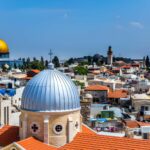
The Church of the Holy Sepulchre and the Via Dolorosa are among the most sacred sites in Christianity, attracting millions of pilgrims and tourists every year. Located in the heart of Jerusalem, these landmarks hold deep religious and historical significance. Whether you seek spiritual enrichment, historical insight, or a profound cultural experience, a journey through these sacred sites offers an unforgettable encounter with the past.
The Church of the Holy Sepulchre: The Holiest Christian Site
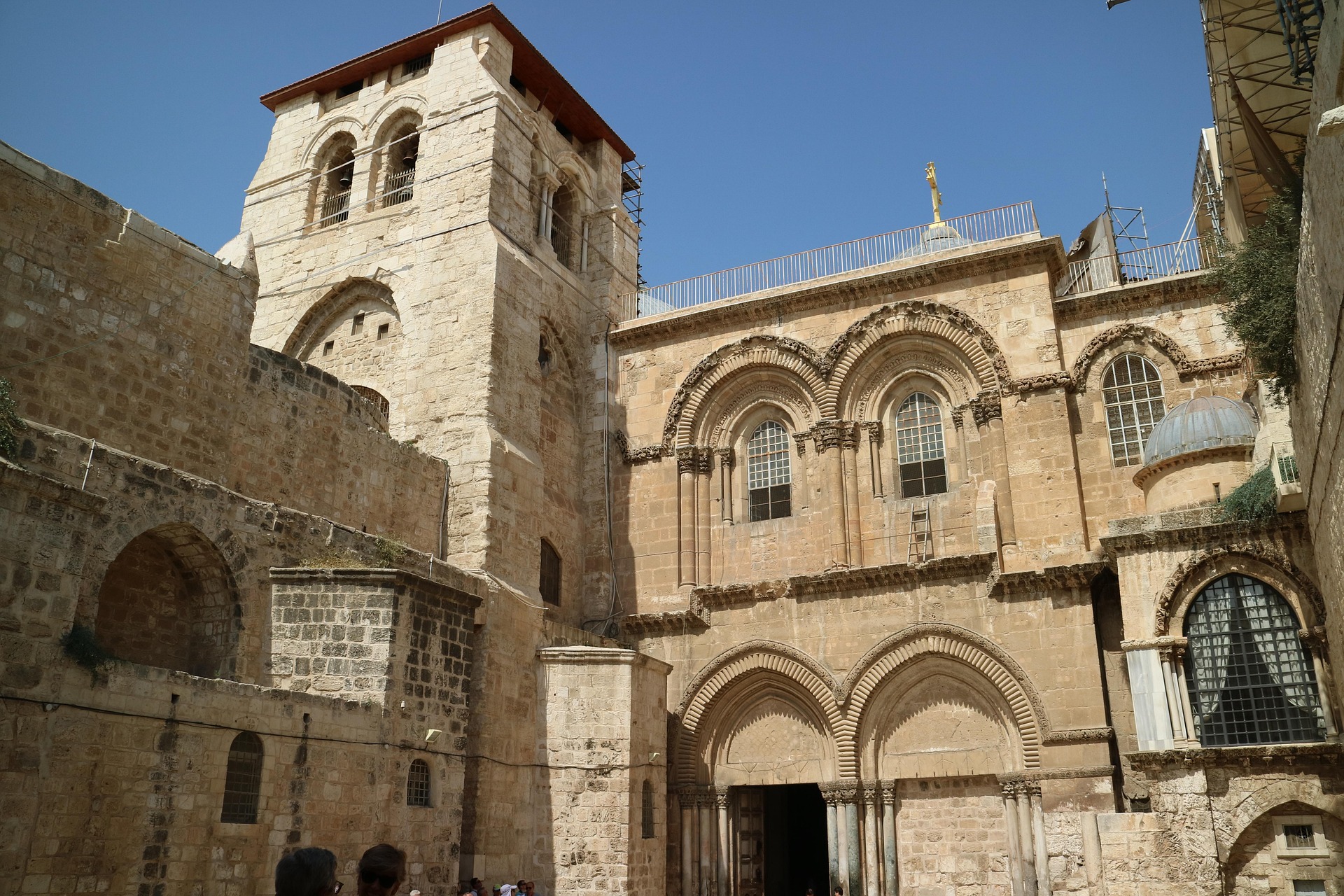
The Church of the Holy Sepulchre is one of the most revered churches in Christianity. According to Christian tradition, it is the site where Jesus Christ was crucified, buried, and resurrected. Situated in the Old City of Jerusalem, this church has been a focal point for Christian pilgrimage for centuries.
Historical Background
The origins of the Church of the Holy Sepulchre date back to the 4th century when Emperor Constantine the Great ordered its construction. His mother, Saint Helena, played a crucial role in identifying the site believed to be the location of Christ’s crucifixion and burial. The church was consecrated in 335 AD, and despite multiple destructions and restorations over the centuries, it remains a symbol of faith and resilience.
Architectural and Religious Significance
The Church of the Holy Sepulchre is divided among several Christian denominations, including the Greek Orthodox, Roman Catholic, and Armenian Apostolic churches. Its architecture is a blend of different historical periods, reflecting its long and tumultuous history. Key parts of the church include:
- Golgotha (Calvary): The site where Jesus was crucified.
- The Stone of Anointing: The slab where Jesus’ body was prepared for burial.
- The Aedicule: The structure that houses the tomb of Jesus Christ.
Pilgrims from all over the world visit these sites to pray, reflect, and connect with the essence of their faith.
Via Dolorosa: The Path of Suffering
The Via Dolorosa, or “Way of Sorrow,” is a historic route in Jerusalem that is believed to be the path Jesus walked while carrying the cross on the way to his crucifixion. This solemn journey is deeply significant for Christians, who walk the route in remembrance of Christ’s suffering and sacrifice.
The Stations of the Cross
The Via Dolorosa consists of fourteen Stations of the Cross, each marking a significant event that took place during Jesus’ journey to Golgotha. Some of the key stations include:
- Jesus is condemned to death – Commemorating Pilate’s sentencing.
- Jesus takes up His cross – Where Christ was given the cross to carry.
- Jesus falls for the first time – A moment of human weakness.
- Jesus meets His mother, Mary – A poignant encounter.
- Simon of Cyrene helps Jesus carry the cross – An act of compassion.
- Veronica wipes the face of Jesus – A moment of kindness.
- Jesus falls a second time – Symbolizing endurance.
- Jesus consoles the women of Jerusalem – Words of prophecy.
- Jesus falls a third time – Nearing the end of His journey.
- Jesus is stripped of His garments – A moment of humiliation.
- Jesus is nailed to the cross – The crucifixion begins.
- Jesus dies on the cross – The ultimate sacrifice.
- Jesus is taken down from the cross – His body is prepared for burial.
- Jesus is laid in the tomb – The final resting place before resurrection.
Each station is marked by chapels, churches, and monuments, with pilgrims often stopping to pray and reflect at each location.
Pilgrimage and Religious Experience
For Christians, walking the Via Dolorosa and visiting the Church of the Holy Sepulchre is an act of deep devotion. Many carry wooden crosses as a symbolic gesture of solidarity with Christ’s suffering. Others engage in prayers and hymns, making the journey a moving spiritual experience.
Practical Tips for Visitors
If you plan to visit these sacred sites, consider the following tips:
- Dress Modestly: As these are religious sites, respectful attire is recommended.
- Visit Early: The sites can be crowded, so early morning visits provide a more peaceful experience.
- Join a Guided Tour: Knowledgeable guides can offer historical and biblical insights.
- Be Prepared for Walking: The Via Dolorosa involves a significant amount of walking on uneven paths.
Conclusion
The Church of the Holy Sepulchre and the Via Dolorosa are not just historical landmarks; they are profound symbols of faith, perseverance, and the enduring power of Christianity. Whether you are a believer or a history enthusiast, a visit to these sacred sites is a journey through time, faith, and devotion. Standing in the places where Christ walked, suffered, and triumphed brings the biblical narrative to life in an awe-inspiring and deeply personal way.