
Introduction
Churches have stood as pillars of faith, culture, and history for centuries. Each stone, stained-glass window, and altar tells a story of devotion and community. Over time, however, natural decay, environmental factors, and urban development threaten these sacred spaces. Supporting church restoration is more than maintaining buildings—it is safeguarding the spiritual and cultural legacy of Christianity.
The Importance of Church Restoration
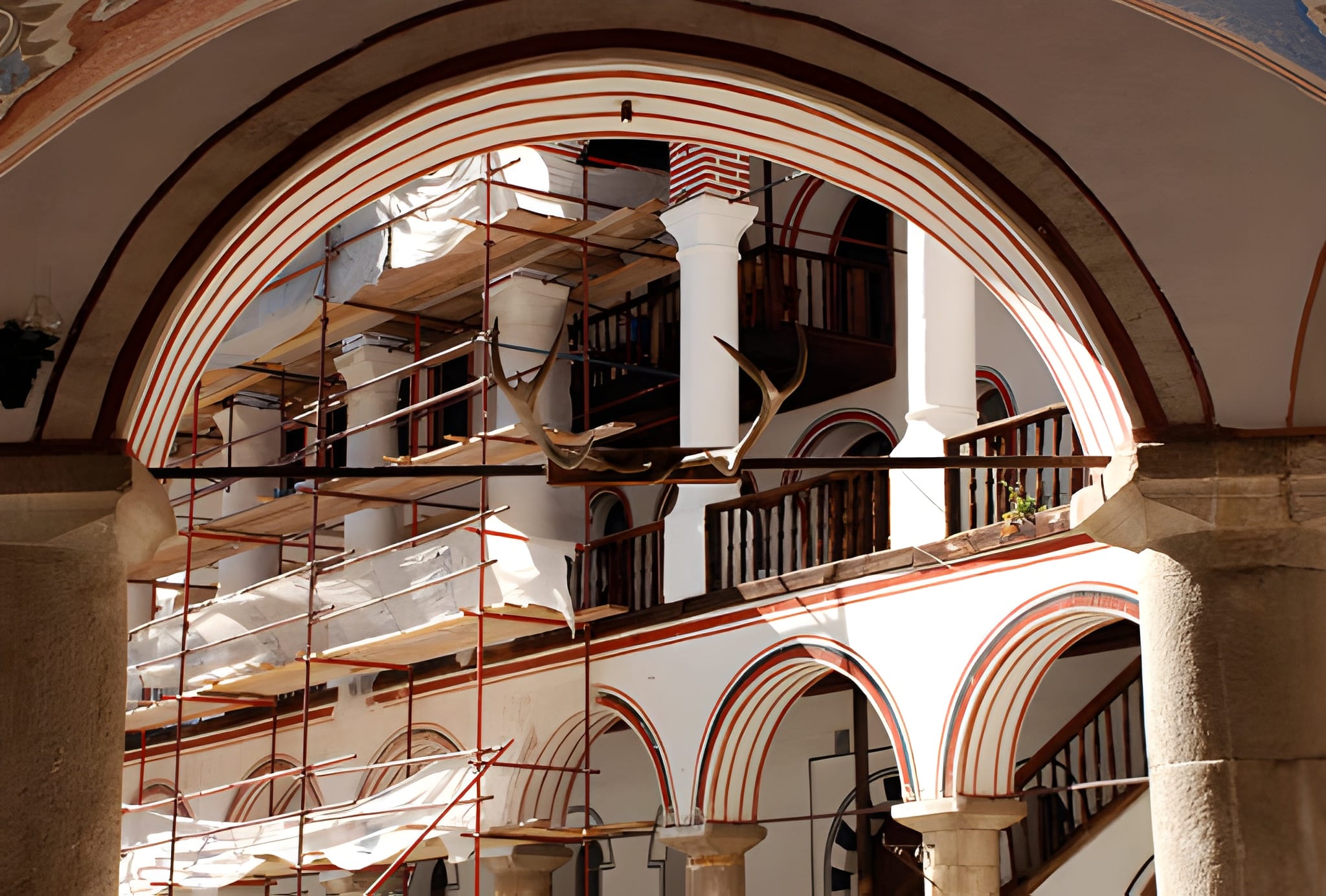
Preserving historic churches ensures that future generations can experience the beauty and significance of Christian heritage. Restoration projects address structural damage, protect delicate artwork, and maintain the architectural integrity of sacred sites. These efforts honor the labor and faith of those who built the churches and provide contemporary worshippers with a safe and inspiring environment.
Church restoration also serves a spiritual purpose. Pilgrims and believers visiting these sites often report a deep sense of connection, reflection, and spiritual growth. By restoring churches, communities preserve spaces where faith can be nurtured and passed down, reinforcing the spiritual fabric of society.
How Restoration Projects Make a Difference
-
Structural Preservation: Repairing foundations, roofs, and walls ensures the church remains safe for worshippers and visitors.
-
Art and Iconography Conservation: Many churches house priceless frescoes, paintings, and stained-glass windows. Restoration protects these treasures from decay.
-
Cultural Heritage Protection: Churches often serve as historical landmarks, reflecting the architectural, social, and religious history of a region.
-
Community Engagement: Restoration projects foster local involvement, creating volunteer opportunities and educational programs that teach the value of preservation.
The Role of Pilgrimages in Church Restoration
Pilgrimages are not just journeys—they are acts of faith and connection. Visiting restored churches allows pilgrims to witness the tangible outcomes of preservation efforts. Organizations dedicated to Christian pilgrimage play a vital role by guiding visitors, explaining the historical context, and encouraging support for ongoing restoration projects. This interaction nurtures both spiritual growth and awareness of the importance of safeguarding sacred sites.
How You Can Support Church Restoration
Supporting church restoration can take many forms:
-
Donations: Financial contributions help fund essential repairs and preservation efforts.
-
Volunteering: Skilled volunteers, such as architects, artists, and historians, can contribute their expertise.
-
Spreading Awareness: Sharing information about restoration projects encourages community involvement and fosters a culture of preservation.
-
Participating in Pilgrimages: Joining guided pilgrimages allows you to experience restored churches firsthand while supporting their continued upkeep.
Educational Programs and Community Engagement
Many restoration-focused organizations develop educational programs to raise awareness about the value of historic churches. These programs include workshops, lectures, and interactive activities that teach participants about architecture, art conservation, and Christian history. By engaging communities, these initiatives inspire a new generation of custodians committed to preserving sacred sites.
Conclusion
Supporting church restoration is a vital act of faith, culture, and community. It ensures that sacred Christian sites remain accessible, safe, and spiritually enriching for pilgrims worldwide. Through donations, volunteering, pilgrimages, and education, individuals can make a lasting impact on the preservation of Christian heritage. By investing in church restoration today, we honor the past and nurture the spiritual journeys of future generations.