
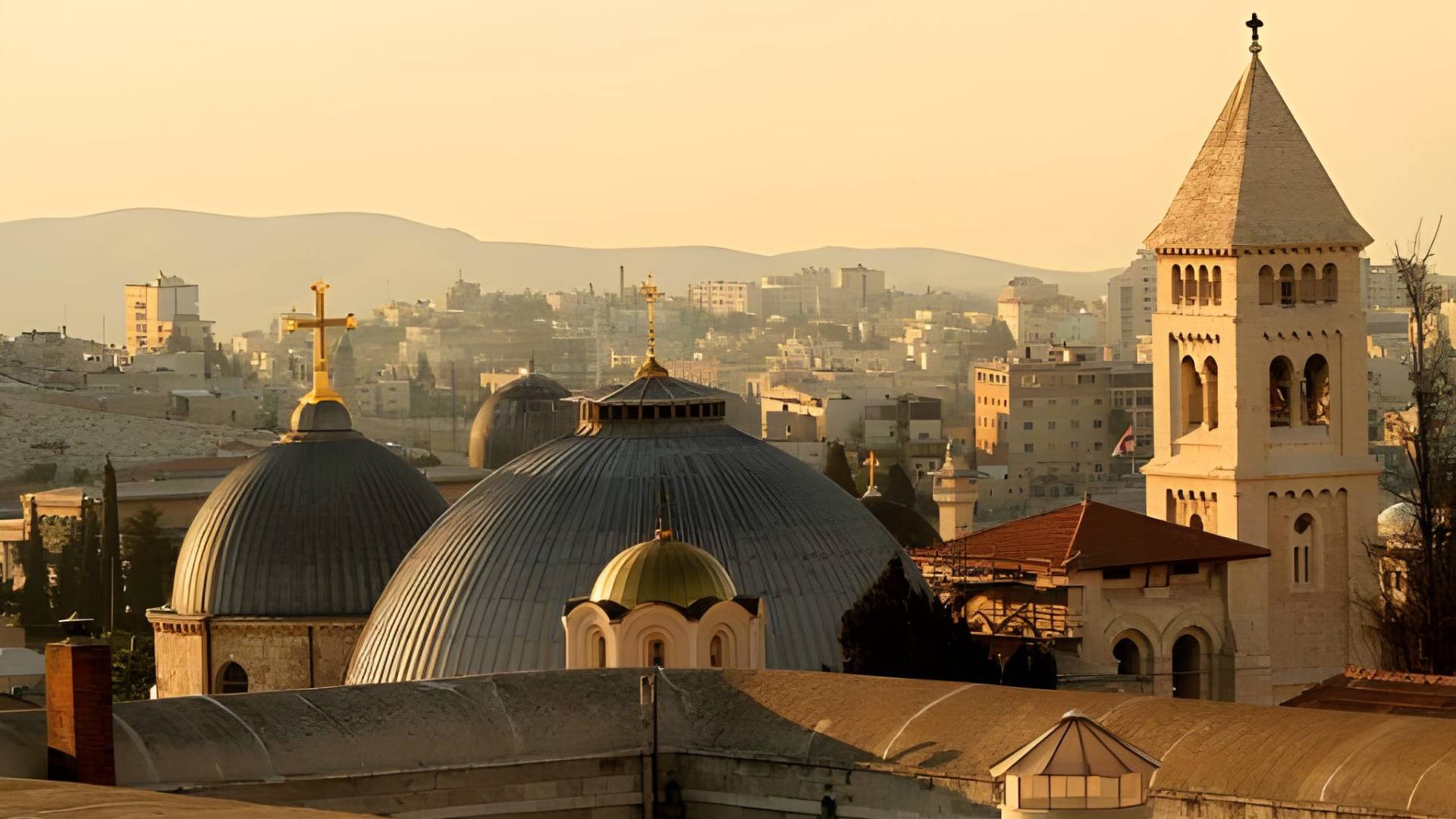
The Church of the Holy Sepulchre, located in the heart of Jerusalem’s Old City, is one of the most revered sites in Christianity. Considered the place where Jesus Christ was crucified, buried, and resurrected, this sacred church has been a central destination for Christian pilgrims for centuries. Its spiritual significance, combined with its rich history and architectural grandeur, makes it a focal point for faith, reflection, and devotion.
Historical Significance
The Church of the Holy Sepulchre was originally built in the 4th century by Emperor Constantine and his mother, Helena, after the discovery of what is believed to be the site of Jesus’ crucifixion (Golgotha) and His empty tomb. Over the centuries, the church has undergone multiple renovations, reconstructions, and expansions due to fires, earthquakes, and invasions. Despite these challenges, it remains a powerful symbol of Christian heritage and a testament to the enduring devotion of believers worldwide.
Architectural Highlights
The church features a blend of Romanesque, Byzantine, and Crusader architectural styles. Key elements include:
-
The Rotunda and the Aedicule – Housing the tomb of Jesus, the focal point for pilgrimage.
-
Calvary (Golgotha) – The site of crucifixion, marked by a chapel and an altar.
-
Chapel of St. Helena – Named after the Empress Helena, this chapel contains relics and historical artifacts.
-
Various altars and chapels – Representing different Christian denominations, reflecting centuries of shared custodianship.
The complexity of its layout, with multiple chapels and sacred spaces, allows pilgrims from different Christian traditions to pray, light candles, and participate in religious rituals according to their faith.
Christian Pilgrimage to the Church
Visiting the Church of the Holy Sepulchre is considered a spiritual journey and an act of devotion. Millions of Christians travel from around the world to walk in the footsteps of Jesus, reflect on His passion, and celebrate His resurrection. Pilgrims often combine their visit to the church with a tour of other biblical sites in Jerusalem, including the Via Dolorosa, Mount of Olives, and Garden of Gethsemane.
The pilgrimage experience is deeply personal and communal. Pilgrims participate in processions, prayers, and liturgies, lighting candles and offering prayers for peace, healing, and faith renewal. For many, the church is not only a place of historical significance but also a living center of spiritual inspiration.
Cultural and Interdenominational Importance
The Church of the Holy Sepulchre is unique for its shared custodianship among several Christian denominations, including the Greek Orthodox, Armenian Apostolic, Roman Catholic, and Coptic churches. This arrangement, known as the Status Quo, has preserved centuries-old traditions and prevents conflicts over sacred spaces. Visitors witness a remarkable coexistence of faith traditions under one roof, emphasizing unity in diversity within Christianity.
Tips for Pilgrims
-
Plan ahead: The church can be crowded, especially during Easter and major Christian holidays.
-
Respect the traditions: Observe silence in prayer areas and follow the guidelines of each denomination.
-
Guided tours: Consider joining a guided tour to understand the historical, religious, and architectural significance of the church.
-
Wear comfortable clothing: The church and surrounding areas involve walking and standing for long periods.
Conclusion
The Church of the Holy Sepulchre remains one of the most important Christian pilgrimage destinations in the world. Its combination of sacred history, architectural splendor, and spiritual significance offers pilgrims an unforgettable journey of faith. Visiting this church allows believers to experience a tangible connection to the life, death, and resurrection of Jesus Christ — a cornerstone of Christian belief.