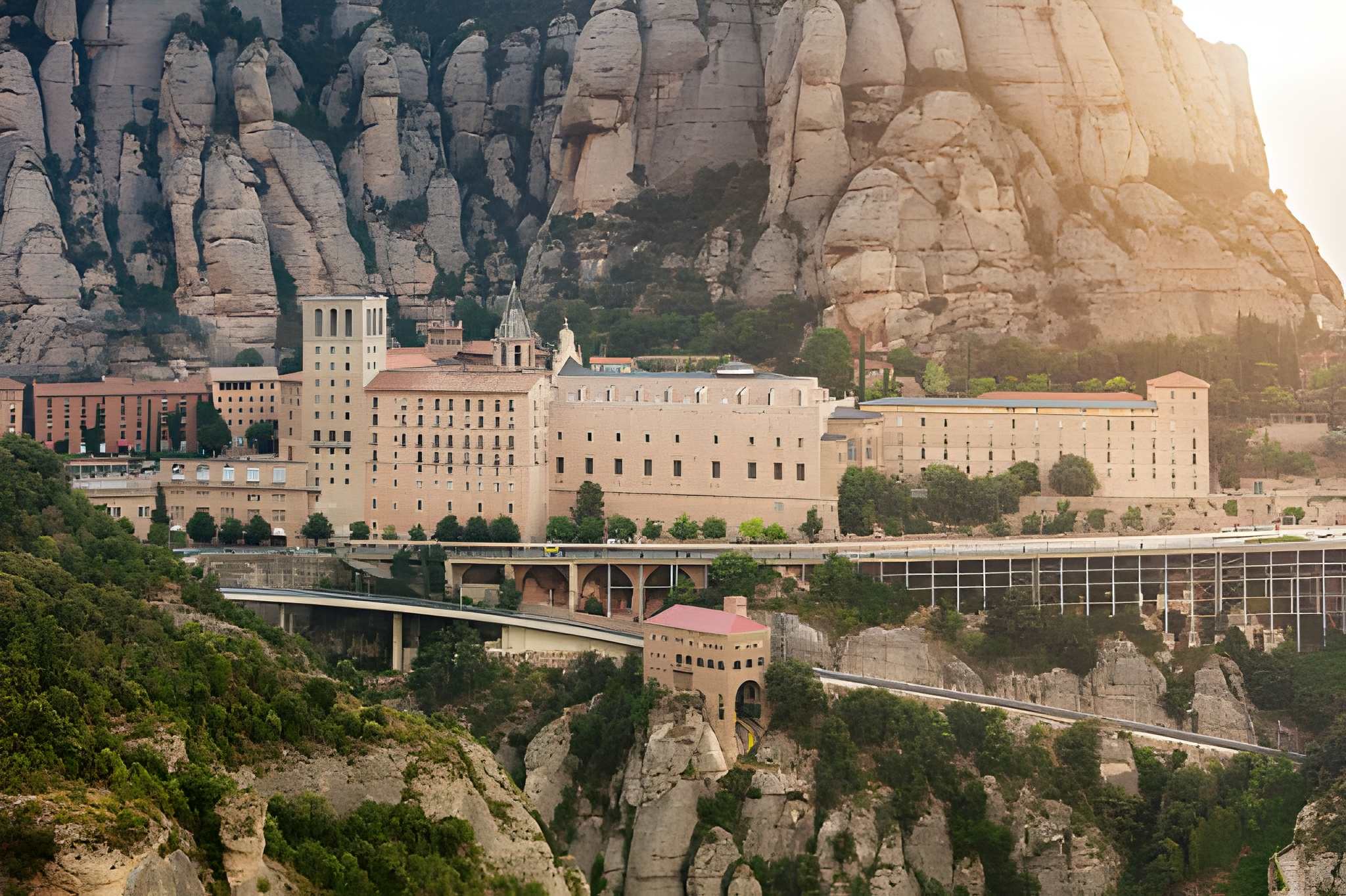
Perched high among the dramatic cliffs of the Montserrat mountain range, the Montserrat Monastery stands as one of the most sacred and revered Christian pilgrimage destinations in Spain. Located near the city of Barcelona, this ancient Benedictine monastery has long been a beacon of spiritual devotion, cultural heritage, and divine presence. For centuries, pilgrims from across Europe have traveled to Montserrat seeking healing, guidance, and encounters with the sacred image known as the Black Madonna.
Montserrat, meaning “serrated mountain,” takes its name from the unique and stunning rock formations that define the region. These natural formations, carved by centuries of wind and water, create an extraordinary landscape that has inspired awe and wonder since ancient times. The mountain was considered sacred even before Christianity, and with the rise of the Christian faith in the region, it quickly became a place of prayer, retreat, and monastic life.
The origins of the Montserrat Monastery date back to the 9th century when small hermitages were established on the mountain by monks seeking solitude and deeper communion with God. As devotion grew, a larger monastery was founded in the 11th century and eventually developed into the magnificent monastery complex that exists today. Throughout history, Montserrat has played a vital role in the spiritual, cultural, and political life of Catalonia.
The most treasured and iconic feature of Montserrat Monastery is the statue of Our Lady of Montserrat, commonly known as the Black Madonna or La Moreneta. This ancient wooden statue, believed by many to date back to the early centuries of Christianity, depicts the Virgin Mary holding the Christ child. The dark color of the statue, caused by natural aging and centuries of candle soot, has inspired devotion and mystery, symbolizing deep spiritual strength, protection, and maternal love.
Pilgrims from around the world visit Montserrat specifically to venerate the Black Madonna. Her shrine, located above the main altar, allows visitors to approach, pray, and touch the globe she holds—a gesture symbolizing seeking her intercession and divine guidance. Many miracles and answered prayers have been attributed to her over the centuries, making Montserrat one of the most important Marian pilgrimage sites in Europe.
The basilica of Montserrat, built in a harmonious blend of Gothic and Renaissance styles, forms the spiritual heart of the monastery. Inside, the atmosphere is filled with reverence and sacred beauty. Marble columns, golden decorations, and detailed sculptures draw the eyes upward toward heaven. During daily liturgies, pilgrims gather to pray, reflect, and listen to the renowned Escolania boys’ choir, one of the oldest children’s choirs in Europe. Their angelic voices echo through the basilica, creating a deeply moving spiritual experience.
Montserrat Monastery is also home to a thriving Benedictine community. The monks live according to the Rule of St. Benedict, dedicating their lives to prayer, work, hospitality, and contemplation. Their presence gives the monastery a profound sense of peace and continuity. Pilgrims often speak of feeling a deep spiritual calm upon entering Montserrat, as though stepping into a place touched by heavenly grace.
In addition to its spiritual importance, Montserrat has played a major role in the cultural and intellectual history of Catalonia. The monastery’s library holds valuable manuscripts, ancient texts, and works of theology and philosophy. Its museums contain collections of sacred art, archaeological artifacts, and masterpieces by artists such as Caravaggio, El Greco, and Picasso. Montserrat has long been seen as a guardian of Catalan culture, identity, and heritage.
The mountain trails around Montserrat also contribute to its sacred atmosphere. Pilgrims can walk the ancient paths once taken by hermits, leading to quiet chapels, caves, and outlook points with breathtaking views. These trails offer moments of silence, reflection, and connection with nature—an experience that mirrors the solitude and prayer that originally inspired monastic life on the mountain.
Throughout history, Montserrat has stood as a place of refuge and hope. During periods of political unrest, war, and social upheaval, people turned to the Black Madonna for protection and strength. The monastery has been rebuilt several times after destruction, symbolizing resilience and the perseverance of faith. Even today, Montserrat remains a place where people seek healing, clarity, and spiritual renewal.
The monastery continues to welcome millions of visitors each year. Some arrive by cable car or mountain train, marveling at the spectacular views during the ascent. Others come on foot, walking traditional pilgrimage routes that echo the journeys of medieval pilgrims. Regardless of how they arrive, visitors share a common experience: a sense of awe at the natural beauty and a profound spiritual presence that permeates the mountain.
In conclusion, Montserrat Monastery is far more than a historic monument—it is a living spiritual sanctuary rooted in centuries of devotion, prayer, and faith. With its sacred image of the Black Madonna, breathtaking natural landscape, and rich cultural heritage, Montserrat stands as a symbol of divine presence and human longing for God. It remains one of the most inspiring Christian pilgrimage sites in the world, calling believers to seek peace, healing, and deeper faith on the sacred mountain.