
The Vatican Necropolis and the Tomb of Saint Peter stand at the very heart of Christian pilgrimage and Catholic faith. Located beneath St. Peter’s Basilica in Vatican City, this sacred underground site represents one of the most profound connections between modern Christianity and its earliest beginnings. For millions of believers around the world, pilgrimage to this place is not simply a journey to Rome, but a spiritual encounter with the foundations of the Christian Church itself.
According to Christian tradition, Saint Peter, one of the twelve apostles of Jesus Christ and the first Bishop of Rome, was martyred during the persecution of Christians under Emperor Nero around 64 AD. He was buried in a simple grave on Vatican Hill, near the site of his execution. Over time, this humble burial place became a focal point of veneration for early Christians, who risked their lives to pray near the resting place of the apostle they regarded as the rock upon which the Church was built.
The Vatican Necropolis is an ancient Roman burial ground dating from the first to fourth centuries. It lies several meters beneath the current basilica and preserves a remarkable network of mausoleums, tombs, inscriptions, and early Christian symbols. Unlike grand monuments above ground, the necropolis reflects a quiet, reverent testimony to faith, mortality, and hope in resurrection. Walking through its narrow passages allows pilgrims to experience a tangible link to the early Christian community that worshiped in secret and preserved its beliefs under persecution.
At the center of the necropolis lies the Tomb of Saint Peter. Archaeological excavations conducted in the mid-20th century, authorized by Pope Pius XII, uncovered a grave matching the ancient descriptions preserved by early Church writers. Inscriptions referencing Peter, along with human remains believed to belong to a man of advanced age from the first century, strengthened the conviction that this was indeed the apostle’s burial site. In 1968, Pope Paul VI formally announced that the relics of Saint Peter had been identified.
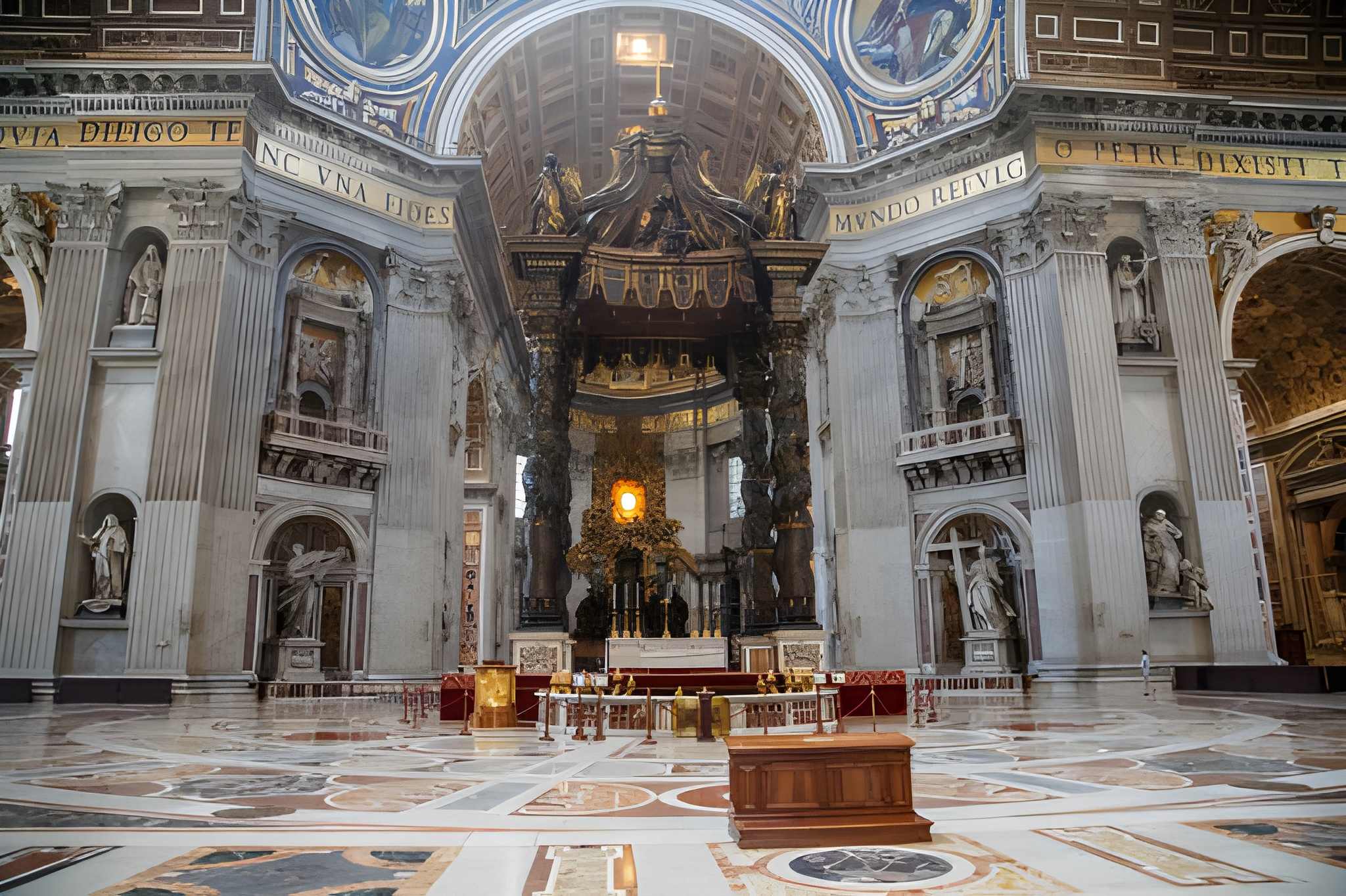
For Catholic pilgrims, visiting the Tomb of Saint Peter is among the highest spiritual experiences of pilgrimage. It represents a direct encounter with apostolic succession, the continuity of faith from the time of Christ to the present day. Many pilgrims describe a profound sense of humility and reverence when standing before the tomb, aware that centuries of prayer, sacrifice, and devotion converge at this sacred point beneath the altar of the world’s largest church.
The spiritual significance of the Vatican Necropolis extends beyond Catholicism alone. Christians of many denominations recognize Saint Peter as a foundational figure in Church history, making this site a destination of universal Christian importance. While the pilgrimage tradition is primarily Catholic, the message of faith, martyrdom, and witness resonates across the Christian world.
Preservation of the Vatican Necropolis is a sacred responsibility. Due to its age, fragile structures, and priceless historical value, access is carefully controlled and limited to small groups. Ongoing conservation efforts ensure that the site remains protected for future generations of pilgrims, scholars, and believers. These efforts align closely with the mission of organizations dedicated to safeguarding Christian heritage and ensuring that sacred sites continue to inspire spiritual reflection.
Pilgrimage to the Vatican Necropolis is not merely an exploration of ancient ruins. It is a journey into the roots of Christian identity, reminding believers that the Church was built not on power or wealth, but on faith, sacrifice, and unwavering devotion to Christ. Beneath the grandeur of St. Peter’s Basilica lies a quiet testimony to the Gospel, carved in stone, memory, and prayer.
As pilgrims ascend from the necropolis into the light of the basilica above, the experience reflects the Christian journey itself: from suffering to hope, from sacrifice to resurrection, and from the witness of the apostles to the living faith of today’s Church.