
Christian heritage represents centuries of faith, devotion, tradition, and sacred history. Across nations and cultures, historic churches, pilgrimage routes, and Christian landmarks stand as living witnesses to spiritual perseverance and belief. Preserving these sacred places requires continuous effort, structured planning, and long-term commitment. Understanding how donation supports the preservation of Christian heritage reveals the essential role of organized support in safeguarding these irreplaceable sites.
Christian heritage preservation begins with recognizing the value of sacred spaces. Historic churches and faith landmarks are not simply architectural structures. They represent spiritual identity, artistic craftsmanship, community history, and generations of worship. When these sites deteriorate due to age, environmental exposure, or limited maintenance resources, the loss affects both cultural heritage and active faith communities.
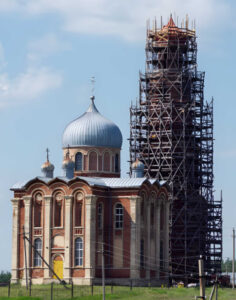
Preserving Christian heritage involves multiple layers of protection. Structural conservation is one of the most critical elements. Many historic churches require roof stabilization, foundation reinforcement, masonry restoration, and protection from moisture damage. Donations provide the financial foundation that allows these technical preservation efforts to take place in a responsible and sustainable manner.
Beyond structural repairs, donation supports long-term conservation planning. Effective heritage preservation is not limited to emergency repairs. It includes detailed assessments, preventive maintenance programs, and strategic preservation planning that protects sites for decades. Organized support enables restoration teams to develop comprehensive conservation strategies rather than temporary solutions.
Christian heritage preservation also involves protecting sacred artistic elements. Many historic churches contain hand-carved woodwork, stained glass, stone sculptures, and centuries-old religious artwork. These features require specialized conservation expertise to prevent deterioration. Through structured preservation initiatives, these artistic treasures are safeguarded as part of the broader mission to preserve Christian heritage.
In addition to physical restoration, donation strengthens the continuity of active worship spaces. Many historic Christian sites remain centers of faith where communities gather regularly. Supporting preservation ensures that these churches remain safe, accessible, and functional for ongoing religious services. Maintaining these sacred environments protects not only physical heritage but also spiritual life within the community.
Global preservation efforts highlight the widespread need for organized support. In various regions, historic Christian landmarks face environmental threats, economic limitations, and insufficient maintenance infrastructure. Donation enables preservation initiatives to extend beyond a single location, creating broader impact across multiple sacred sites. This global perspective reinforces the shared responsibility of protecting Christian heritage worldwide.
Preserving Christian heritage also protects pilgrimage traditions. Sacred sites often attract pilgrims seeking spiritual connection, reflection, and historical understanding. When these locations are maintained responsibly, they continue to serve as meaningful destinations that strengthen faith identity. Structured preservation ensures that pilgrimage routes and historic churches remain secure and welcoming for visitors.
Transparency and responsible management are essential components of heritage preservation. Organized initiatives ensure that preservation funds are directed toward clearly defined restoration goals. This structured approach strengthens accountability and maximizes the long-term impact of preservation efforts.
The preservation of Christian heritage is ultimately an investment in future generations. Without continued protection, many sacred sites risk irreversible deterioration. When preservation efforts are sustained, historic churches and Christian landmarks remain powerful symbols of resilience and faith continuity.
Supporting the preservation of Christian heritage ensures that sacred spaces continue to inspire worship, reflection, and spiritual growth. It maintains the architectural and cultural legacy that connects present communities to centuries of Christian history. Through structured conservation initiatives and long-term planning, donation becomes a vital force in protecting the sacred foundations of faith.
Preserving Christian heritage is not simply about maintaining buildings. It is about safeguarding identity, memory, and spiritual tradition. By sustaining restoration and conservation efforts, Christian landmarks remain protected for generations yet to come.