
[email protected]

Understanding the Role of Restorations in Preserving Christian Heritage
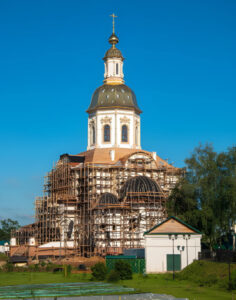
Christian heritage represents centuries of faith, devotion, sacred architecture, and spiritual tradition. Across the world, historic churches and Christian landmarks serve as powerful symbols of belief and continuity. However, time, environmental exposure, and limited maintenance resources place many of these sacred sites at risk. Understanding the role of restorations in preserving Christian heritage reveals why structured conservation efforts are essential for protecting these irreplaceable places.
Restoration plays a foundational role in preserving Christian heritage because sacred structures naturally deteriorate over time. Stone erodes, roofs weaken, wood decays, and structural foundations shift. Without proper intervention, even the most historically significant churches can suffer irreversible damage. Restoration ensures that these sacred buildings remain stable, secure, and accessible for continued worship and pilgrimage.
Preserving Christian heritage through restoration requires more than cosmetic repairs. True restoration involves detailed structural assessment, professional conservation planning, and careful execution that respects historical authenticity. Each project begins with evaluating the architectural integrity of the site. Specialists examine foundations, walls, roofing systems, interior elements, and historical features to identify vulnerabilities that could compromise long-term stability.
Once assessments are completed, a structured restoration plan is developed. The goal is not to modernize or alter the church’s character but to reinforce its original design while maintaining authenticity. Preserving Christian heritage means safeguarding both physical structure and spiritual identity. Restoration must respect traditional materials, historical craftsmanship, and sacred symbolism embedded within each site.
One of the key roles of restoration in preserving Christian heritage is structural stabilization. Reinforcing weakened foundations, repairing damaged masonry, and restoring roofing systems protect buildings from further deterioration. These technical interventions prevent minor issues from becoming severe structural failures. Proactive restoration extends the lifespan of sacred sites and reduces long-term preservation risks.
Restoration also protects artistic and cultural elements within historic churches. Many Christian landmarks contain stained glass, hand-carved altars, ancient inscriptions, and sacred artwork that hold deep religious significance. These elements require specialized conservation techniques to prevent fading, cracking, or decay. Through responsible restoration efforts, these artistic treasures remain intact as part of the broader Christian heritage.
Beyond architecture, restoration sustains living faith communities. Many historic churches continue to function as active centers of worship. Structural deterioration can limit accessibility or compromise safety for congregations. By preserving these sacred spaces, restoration strengthens both spiritual practice and community identity. Maintaining functional churches ensures that Christian heritage remains a living tradition rather than a historical memory.
The global dimension of Christian heritage preservation further emphasizes the importance of restoration. Across different regions, sacred Christian sites face unique environmental and economic challenges. Climate conditions, natural wear, and resource limitations increase the urgency for structured restoration initiatives. Coordinated preservation efforts help safeguard Christian landmarks that hold global spiritual and cultural value.
Restoration also contributes to long-term sustainability. Effective preservation strategies include preventive maintenance planning, regular inspections, and structured oversight to protect sites beyond initial repairs. Understanding the role of restorations in preserving Christian heritage means recognizing that conservation is an ongoing responsibility rather than a single project.
Preserving Christian heritage safeguards more than buildings. It protects the tangible expression of faith that connects generations. Historic churches stand as testimonies to perseverance, devotion, and shared belief. Through careful restoration, these sacred landmarks continue to inspire worshippers, pilgrims, and communities worldwide.
Ultimately, restoration is an act of stewardship. It ensures that Christian heritage remains protected, respected, and accessible for future generations. By strengthening structures, conserving sacred artistry, and supporting active worship spaces, restoration serves as a critical pillar in preserving Christian heritage across nations and cultures.
Through responsible planning and long-term commitment, restoration efforts uphold the enduring legacy of Christian faith and protect the sacred foundations that have shaped history.
✅ Proud to earn the 2026 Platinum Seal
✅ Make a difference today: How to Contribute
✅ Download the Organization’s Budget Policy (PDF)
🕊️ Join us in the sacred mission of restoring and preserving holy sites and churches. Your support makes a difference — donate and be part of this noble cause.
Donate Nowlatest News
-

-
A Complete Guide to Christian Pilgrimage in the Holy Land
March 27, 2026
Sacred Christian Pilgrimage Organization is a proud 501(c)(3) charitable nonprofit. EIN 35-2895675.
Official Information