
In Christian tradition, pilgrimage has always been more than just a physical journey. It is a spiritual path that reflects the believer’s desire to grow closer to God and live according to the teachings of Christ. At the heart of every pilgrimage lies a mindset shaped by three essential virtues: humility, hope, and faith. Together, these values guide Christians in their walk with God, whether on a physical pilgrimage to holy sites or in the everyday journey of life.
This article explores the pilgrim mindset, its meaning in the Christian faith, and how cultivating humility, hope, and faith can lead to deep inner transformation.
The Pilgrim Mindset: More Than a Journey
The concept of a pilgrim is not limited to traveling long distances. In Christianity, every believer is a pilgrim on earth, moving toward the eternal home promised by God. The pilgrim mindset involves seeing life as a sacred path—filled with challenges, growth, and opportunities for spiritual renewal.
Unlike ordinary travelers, pilgrims carry with them an attitude of openness, surrender, and resilience. They recognize that the journey itself is as important as the destination, and every step is a chance to grow in Christ.
Humility: The Foundation of the Pilgrim’s Heart
Humility is at the core of the pilgrim mindset. It is the recognition that one depends entirely on God’s grace and mercy. For the Christian pilgrim, humility means:
-
Acknowledging limitations: Accepting that human strength is insufficient without divine guidance.
-
Serving others: Pilgrims often encounter people from diverse cultures and backgrounds. A humble heart seeks to love and serve rather than judge.
-
Letting go of pride: Pilgrimage strips away worldly titles, wealth, and social status, reminding believers that all are equal before God.
Humility opens the way for transformation. By lowering oneself, the pilgrim allows God’s Spirit to lift them higher in wisdom and holiness.
Hope: The Compass of the Pilgrim
While humility grounds the pilgrim, hope propels them forward. In Christian teaching, hope is not mere optimism; it is a confident expectation in God’s promises. The pilgrim mindset embraces hope by:
-
Trusting in God’s plan, even during moments of suffering or uncertainty.
-
Finding meaning in the journey, knowing that trials shape the soul.
-
Holding onto eternal life, the ultimate promise for all believers.
Pilgrims embody hope through perseverance. Each step becomes a testimony of trust that light will overcome darkness, and that God’s love never fails.
Faith: The Pilgrim’s Guiding Light
No pilgrim journey is complete without faith. Faith is more than belief—it is active reliance on God. For Christians, faith is the assurance that Christ walks alongside them, providing strength and direction.
The pilgrim mindset nurtures faith by:
-
Walking in prayer: Constant communication with God is the pilgrim’s lifeline.
-
Living Scripture daily: The Bible becomes a guidebook for the journey.
-
Facing challenges with courage: Faith reminds pilgrims that obstacles are not the end but part of God’s refining process.
Faith transforms ordinary steps into sacred ones, turning daily routines into acts of worship.
Pilgrimage as a Lifestyle
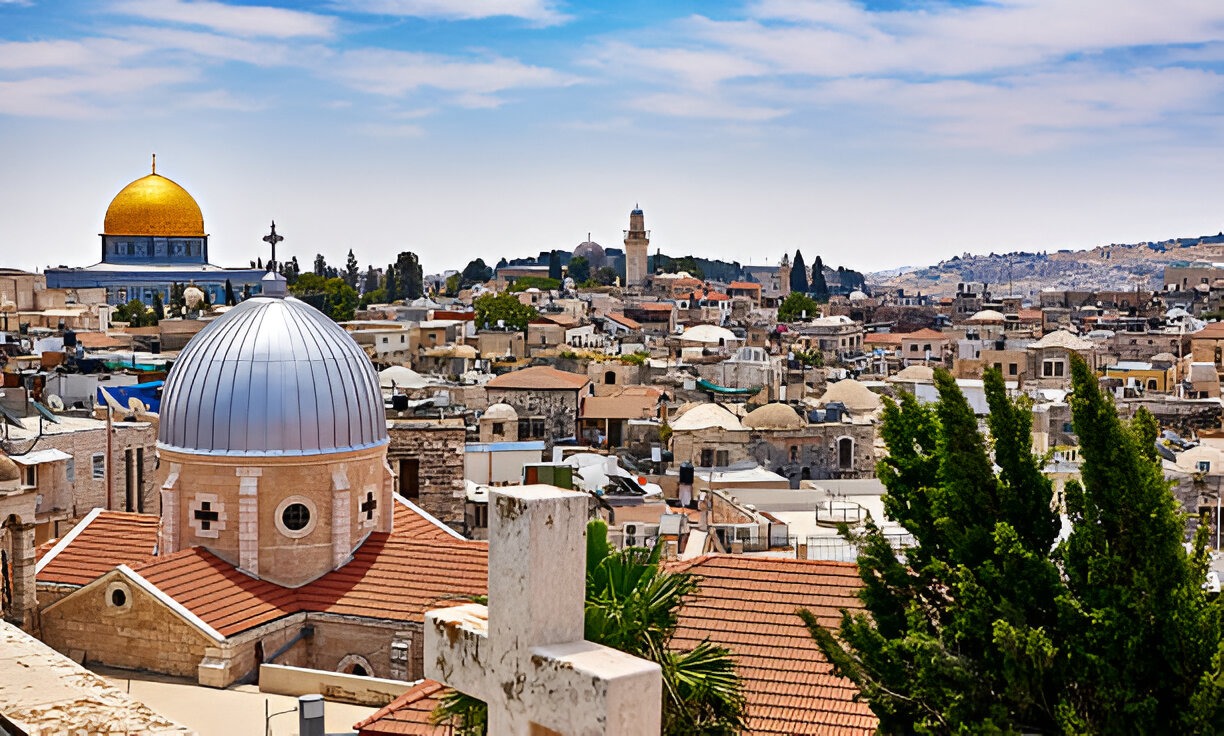
While traditional pilgrimages to Jerusalem, Rome, or Santiago de Compostela remain powerful, the true Christian pilgrimage is lived every day. Each decision, act of kindness, and moment of trust in God reflects the pilgrim mindset.
To live as a pilgrim means:
-
Walking lightly on earth, without being bound by materialism.
-
Embracing community, as no pilgrim travels alone.
-
Seeking God’s presence in both sacred places and ordinary life.
Conclusion
The pilgrim mindset—rooted in humility, hope, and faith—invites Christians to see life as a journey toward God’s eternal promise. By embracing humility, the believer surrenders pride. By holding onto hope, they continue walking even in darkness. And by living in faith, they find strength to overcome trials and remain steadfast.
Whether on a sacred pilgrimage or navigating daily challenges, adopting the pilgrim mindset transforms life into a sacred path of renewal, trust, and intimacy with Christ.