
Mount Athos stands as one of the most sacred and spiritually unique places in the Christian world. Known as the Holy Mountain, this secluded peninsula is located in northern Greece along the Aegean Sea and functions as an autonomous monastic state within the country. For more than a thousand years, Mount Athos has been dedicated entirely to prayer, ascetic life, and devotion to God, making it a living testimony to the enduring power of Christian monastic tradition.
The spiritual identity of Mount Athos is deeply rooted in Eastern Orthodox Christianity. According to tradition, the Virgin Mary herself blessed the mountain as her garden, setting it apart as a place of purity, silence, and divine presence. This belief has shaped the spiritual culture of the Holy Mountain, which remains consecrated to prayer and worship without interruption since the 10th century.
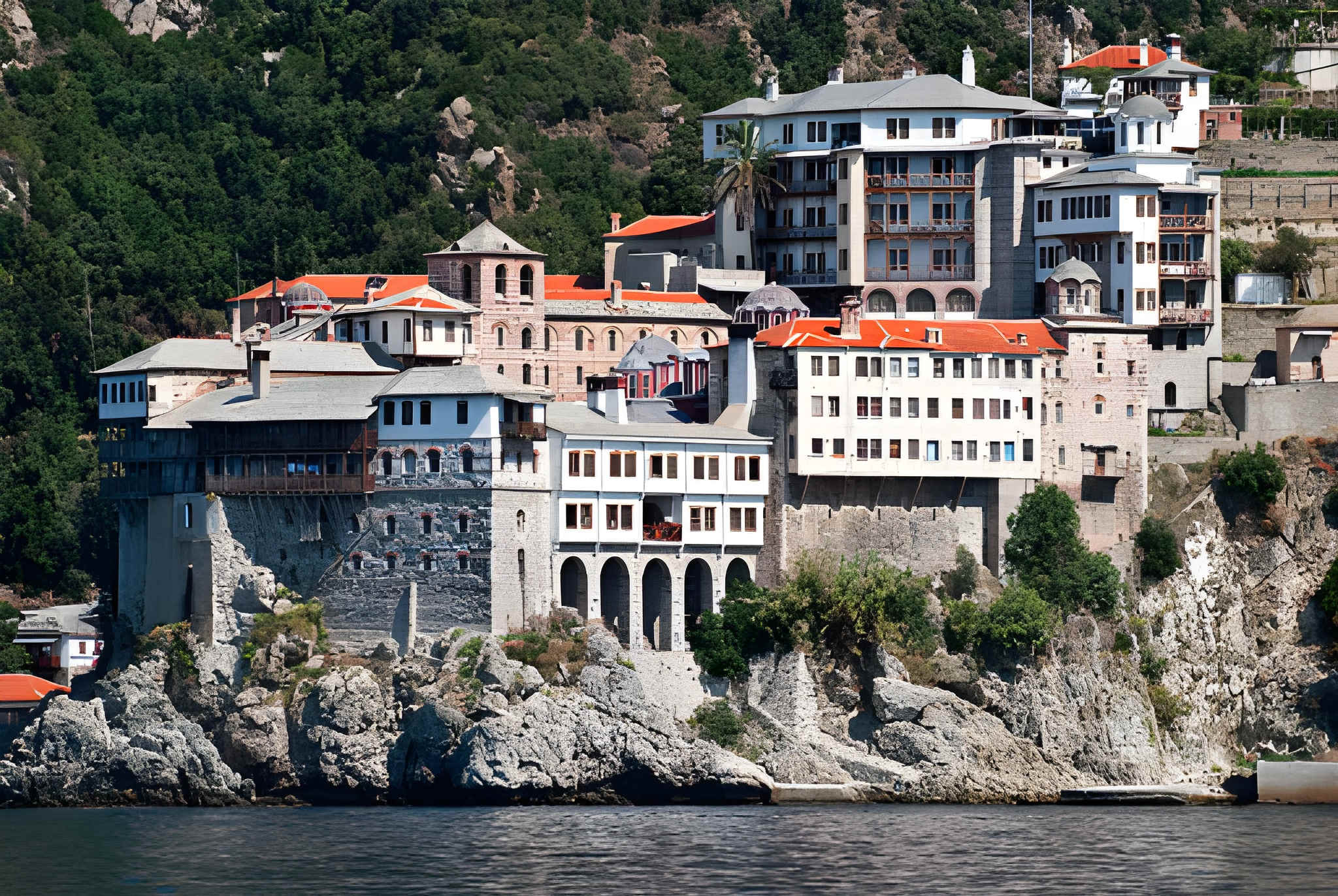
Today, Mount Athos is home to twenty major monasteries, along with numerous sketes, hermitages, and cells scattered across the rugged landscape. These monasteries represent various Orthodox nations, including Greek, Serbian, Russian, Bulgarian, Romanian, and Georgian traditions. Despite their national diversity, all Athonite communities share a unified spiritual purpose centered on prayer, humility, obedience, and complete devotion to God.
The history of Mount Athos as a monastic center began formally in 963 AD with the founding of the Great Lavra Monastery by Saint Athanasius the Athonite. This marked the establishment of organized communal monastic life on the mountain. Over time, Mount Athos became a spiritual refuge for monks seeking to withdraw from worldly distractions and pursue a life fully dedicated to God. Emperors, patriarchs, and saints supported the monasteries, recognizing their importance as guardians of Orthodox faith and theology.
The daily life of monks on Mount Athos follows a strict rhythm of prayer, work, fasting, and silence. Worship services often begin before dawn and continue for several hours, emphasizing the central role of liturgical prayer. The Jesus Prayer, repeated continuously throughout the day, lies at the heart of Athonite spirituality, guiding monks toward inner stillness and constant awareness of God’s presence.
Mount Athos is also one of the greatest treasuries of Christian heritage in the world. Its monasteries preserve countless manuscripts, icons, relics, and liturgical objects dating back to the Byzantine era. Many of these treasures are priceless, offering invaluable insight into early Christian theology, art, and monastic practice. Iconography holds a special place on the Holy Mountain, with many miraculous icons venerated by generations of monks and pilgrims.
Unlike most pilgrimage destinations, access to Mount Athos is highly regulated. Entry is permitted only to men, and visitors must obtain a special permit known as a diamonitirion. This centuries-old rule reflects the monastic commitment to ascetic discipline and uninterrupted spiritual focus. While this restriction is unique and sometimes controversial, it has contributed to preserving the spiritual atmosphere and monastic integrity of the Holy Mountain.
Pilgrims who are permitted to visit Mount Athos often describe the experience as profoundly transformative. The absence of modern distractions, combined with the rhythm of monastic prayer and the natural beauty of the landscape, creates an environment of deep spiritual clarity. Walking along forest paths between monasteries, participating in ancient liturgies, and sharing simple meals with monks allows pilgrims to encounter a form of Christianity rooted in humility and timeless devotion.
Throughout history, Mount Athos has endured periods of hardship, including invasions, political upheaval, and economic decline. Despite these challenges, monastic life never ceased. The Holy Mountain remained a spiritual stronghold during times when Orthodox Christianity faced persecution or marginalization. Its survival stands as a powerful testament to faith, resilience, and divine providence.
In the modern era, Mount Athos continues to attract not only monks and pilgrims but also scholars, theologians, and historians. Its influence extends far beyond its geographic boundaries, shaping Orthodox spirituality worldwide. Many spiritual teachings, liturgical practices, and theological insights developed on Mount Athos have spread throughout the Orthodox Christian world and beyond.
The natural environment of Mount Athos plays an essential role in its spiritual character. Dense forests, steep cliffs, and panoramic sea views create a sense of isolation and awe. This harmony between creation and contemplation reinforces the monastic belief that nature itself glorifies God. For monks, the landscape becomes both a place of labor and a silent companion in prayer.
In conclusion, Mount Athos stands as a sacred sanctuary where time seems to slow and eternity feels near. As the spiritual heart of Orthodox monasticism, it preserves an unbroken tradition of prayer, asceticism, and devotion that has shaped Christian spirituality for over a millennium. Its monasteries, monks, and sacred heritage continue to inspire believers seeking depth, discipline, and authentic encounter with God. Mount Athos remains not only a place on the map, but a living symbol of faith dedicated entirely to the pursuit of divine truth.