
The Black Madonna of Częstochowa, enshrined at the Jasna Góra Monastery in southern Poland, is one of the most venerated Marian images in the Christian world. For centuries, this sacred icon has stood at the heart of Polish Catholic spirituality and national identity. Pilgrims from across Europe and beyond travel to Częstochowa to seek spiritual strength, healing, and renewal through prayer before this revered image of the Virgin Mary.
The origins of the icon are surrounded by tradition and devotion. According to longstanding belief, the image was painted by Saint Luke the Evangelist on a tabletop from the Holy Family’s home in Nazareth. While historians place the icon’s creation in the Byzantine period, its arrival in Poland in the 14th century marked the beginning of its extraordinary role in the spiritual life of the nation. The icon was entrusted to the Pauline Fathers at Jasna Góra, where it has remained a focal point of pilgrimage ever since.
One of the most distinctive features of the Black Madonna is the two scars on Mary’s cheek. These marks, the result of damage during a medieval attack on the monastery, have become powerful symbols of suffering, resilience, and shared human pain. For many pilgrims, these scars create a deep emotional connection, reminding them that faith does not remove suffering but transforms it through hope and divine grace.
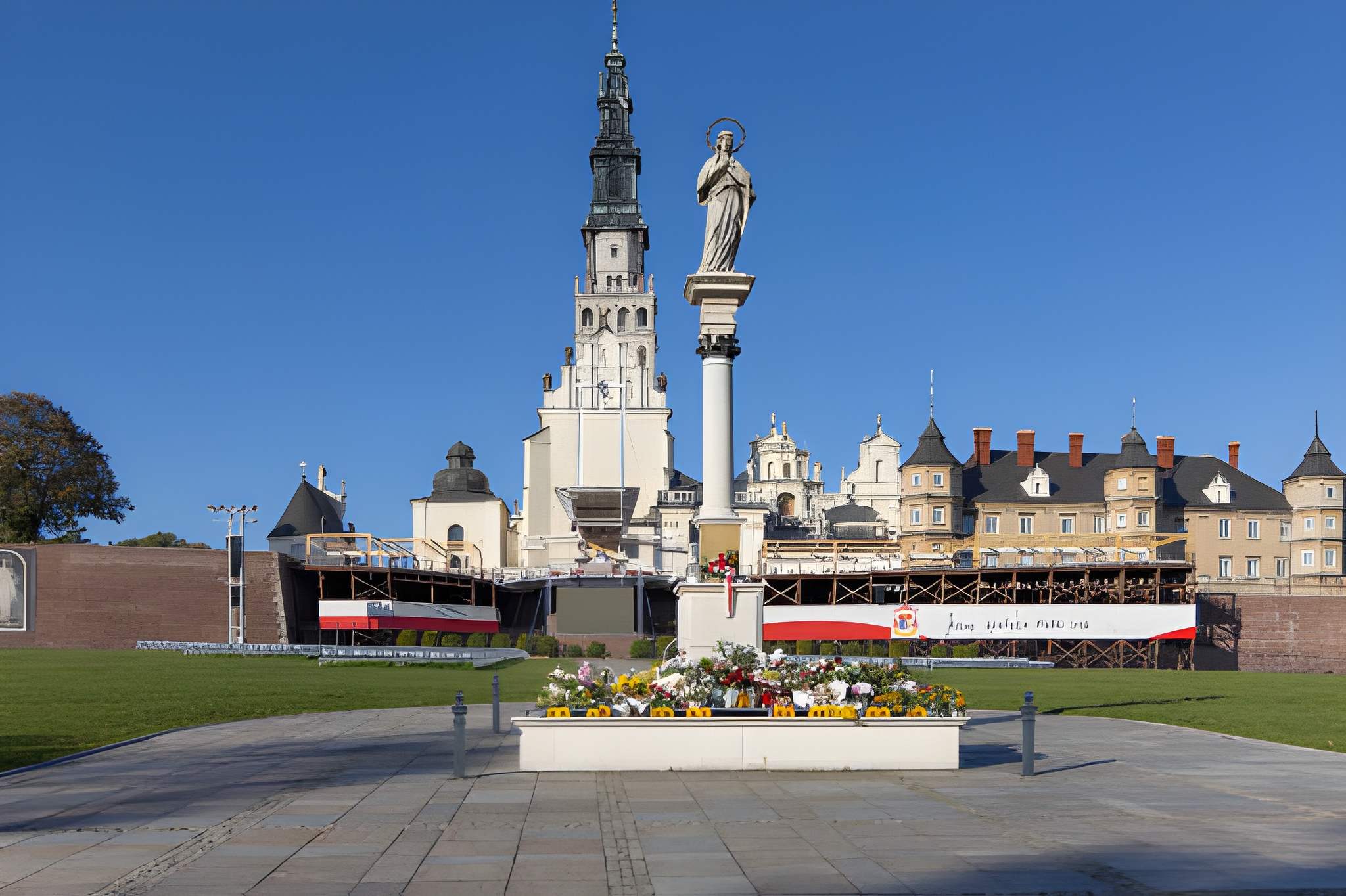
The Jasna Góra Monastery is more than a religious complex. It is a national shrine that has played a significant role in Poland’s history, particularly during times of war and political struggle. The monastery’s successful defense against invading forces in the 17th century strengthened its reputation as a symbol of divine protection and national unity. Over time, the Black Madonna became closely associated with Poland’s spiritual and cultural survival.
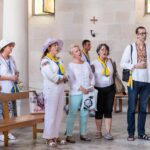
Pilgrimage to Częstochowa is one of the largest annual religious movements in Europe. Each year, millions of pilgrims travel on foot from cities and villages across Poland, often walking for days or weeks as an act of devotion and sacrifice. These walking pilgrimages reflect the deep-rooted tradition of offering physical effort as a form of prayer and spiritual discipline. The communal nature of these journeys strengthens faith, builds fellowship, and reinforces a shared Christian identity.
The shrine is deeply Catholic in its theology and devotional practices, with a strong emphasis on Marian intercession, the Rosary, Eucharistic worship, and sacramental life. At the same time, the Black Madonna’s influence extends beyond strictly religious boundaries. For many, the icon represents hope, dignity, and perseverance in the face of adversity, making it a unifying symbol for the Polish people.
Preservation of the icon and the monastery is a top priority due to their immense spiritual and historical value. The Black Madonna is protected by a carefully controlled environment and security measures that ensure its safety while allowing pilgrims to experience its presence. Ongoing restoration and conservation efforts maintain both the physical integrity of the icon and the sacred atmosphere of the shrine.
For pilgrims, standing before the Black Madonna of Częstochowa is often a deeply moving spiritual encounter. The silence, prayer, and collective devotion create an atmosphere where personal intentions, national memory, and Christian hope come together. As one of Europe’s most important Marian pilgrimage destinations, Częstochowa continues to inspire millions with its powerful message of faith, resilience, and trust in God.