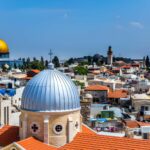

Christian heritage represents centuries of faith, history, and cultural identity that have shaped communities across the world. From ancient churches and monasteries to sacred pilgrimage destinations, these places tell the story of Christianity and its influence on societies, art, and culture.
Many historic Christian landmarks are not only places of worship but also powerful symbols of spiritual tradition and historical continuity. They have witnessed countless prayers, pilgrimages, and moments of faith that connect believers across generations.
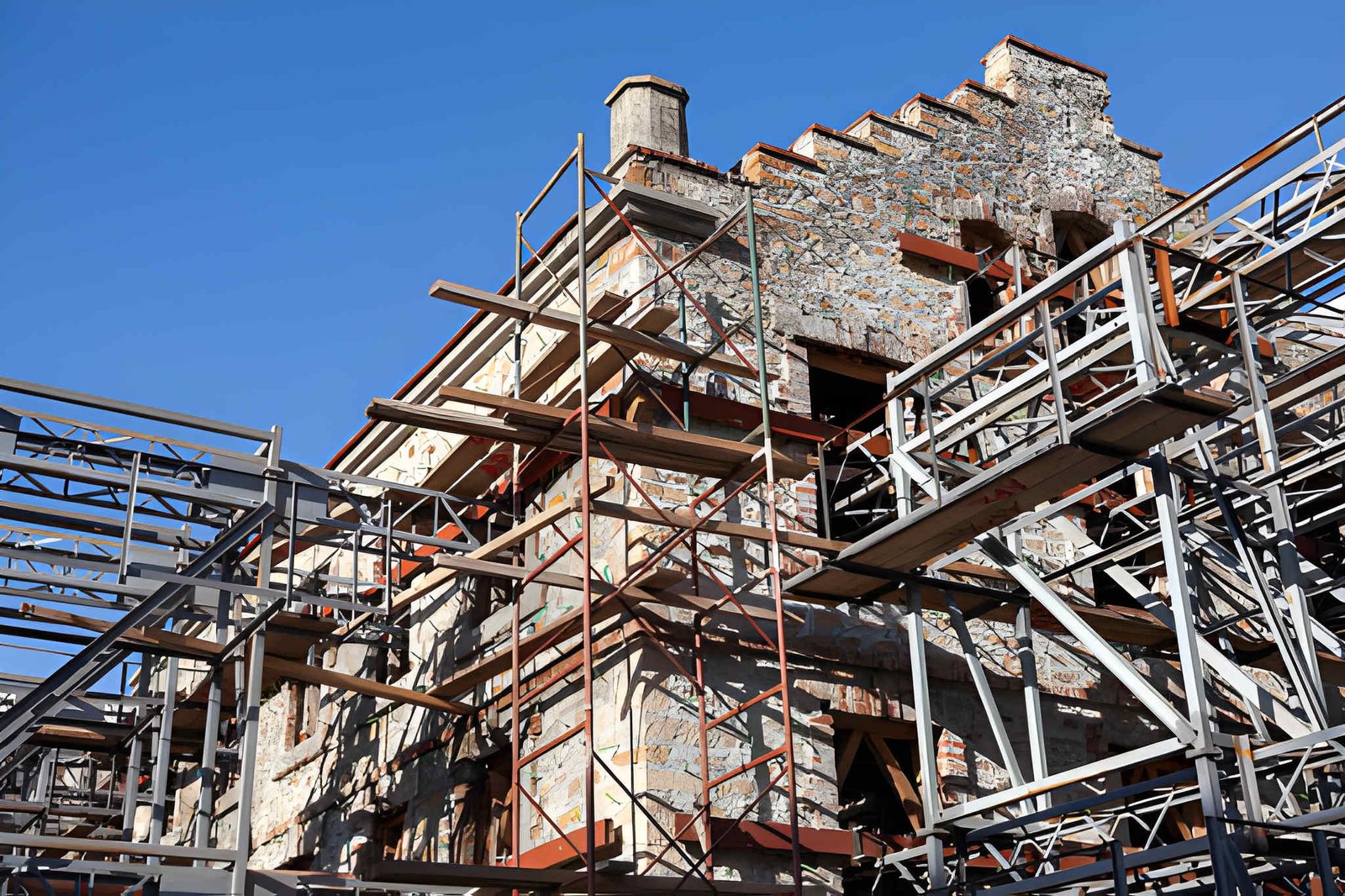
However, many of these historic churches and sacred sites are at risk. Time, environmental damage, and limited financial resources threaten the preservation of important Christian landmarks. Without active efforts to protect them, some of these sacred places could be lost forever.
This is why supporting Christian heritage preservation has become more important than ever. By protecting historic churches and sacred Christian sites, individuals and communities help safeguard a rich spiritual and cultural legacy for future generations.
Organizations such as the Sacred Christian Pilgrimage Organization play an essential role in preserving this heritage by supporting restoration projects, conservation efforts, and educational initiatives.
What Is Christian Heritage Preservation?
Christian heritage preservation refers to the protection, restoration, and maintenance of historic Christian landmarks. These include churches, monasteries, pilgrimage sites, and religious artifacts that hold historical and spiritual significance.
Preservation efforts aim to ensure that these sacred places remain accessible and protected for future generations. This work often involves a combination of historical research, architectural restoration, conservation of religious art, and community support.
Many historic churches contain priceless artistic and cultural elements such as mosaics, stained glass windows, sculptures, and sacred icons. Preserving these elements requires skilled conservation specialists and careful restoration techniques.
Beyond physical structures, Christian heritage preservation also protects traditions, pilgrimage routes, and cultural practices that are closely connected to these sacred sites.
Through preservation initiatives, the historical and spiritual importance of Christianity continues to be shared with people around the world.
Why Christian Heritage Is at Risk
Despite their importance, many historic Christian landmarks face serious challenges today. One of the biggest threats is natural deterioration caused by aging structures. Churches built centuries ago require continuous maintenance and restoration to remain stable and safe.
Environmental conditions such as humidity, earthquakes, flooding, and temperature changes can slowly damage historic buildings and artwork. Without restoration efforts, these damages may become irreversible.
Another major challenge is limited financial support. Many churches rely on small local communities that may not have the resources required for large restoration projects. Preservation work often requires specialized expertise and materials, which can be costly.
In some regions, political instability or lack of awareness about cultural heritage also contributes to the neglect of historic Christian sites.
For these reasons, global support is essential to protect Christian heritage and ensure that these sacred places continue to inspire faith and reflection.
The Role of Donations and Community Support
Supporting Christian heritage preservation often depends on the generosity and involvement of individuals and faith communities around the world. Donations provide the resources needed to restore churches, conserve artwork, and maintain sacred sites.
When individuals contribute to preservation initiatives, they help fund a wide range of activities. These include structural repairs to historic buildings, conservation of religious artwork, and improvements that allow pilgrims and visitors to access these sites safely.
Community support also plays a vital role in preservation efforts. Volunteers, historians, architects, and cultural experts often collaborate to protect and document historic churches and sacred landmarks.
Educational programs and awareness campaigns also help people understand the importance of Christian heritage and encourage greater support for preservation initiatives.
Together, these combined efforts help ensure that Christian heritage remains protected and respected across the world.
Why Preserving Christian Heritage Benefits Future Generations
Protecting Christian heritage is not only about preserving the past. It is also about ensuring that future generations can experience the spiritual, cultural, and historical significance of these sacred places.
Historic churches and pilgrimage sites provide opportunities for people to learn about Christian history, deepen their faith, and connect with important moments in religious tradition.
They also serve as cultural landmarks that reflect the artistic and architectural achievements of earlier generations. Preserving these sites helps protect valuable knowledge about craftsmanship, religious art, and historical design.
For many pilgrims and travelers, visiting historic churches is a deeply meaningful experience. These sacred places provide moments of reflection, prayer, and spiritual renewal.
By supporting Christian heritage preservation today, individuals help ensure that these opportunities remain available for future generations of believers and visitors.
How You Can Support Christian Heritage Preservation
There are many ways individuals can contribute to the protection of Christian heritage. One of the most effective ways is through financial support for restoration and preservation projects.
People who support Christian heritage preservation help provide the resources necessary to restore historic churches and protect sacred Christian landmarks.
In addition to donations, individuals can raise awareness about the importance of preserving Christian heritage. Sharing information about restoration projects and cultural initiatives encourages others to become involved in protecting these historic sites.
Some people also choose to volunteer with organizations dedicated to heritage preservation or participate in educational programs that promote cultural awareness.
Every effort, whether large or small, contributes to the global mission of safeguarding Christian heritage.
Conclusion
Christian heritage is a priceless legacy that reflects centuries of faith, culture, and spiritual devotion. Historic churches, sacred landmarks, and pilgrimage sites continue to inspire millions of people around the world.
Yet preserving these sacred places requires ongoing commitment, expertise, and support. Restoration projects and conservation efforts ensure that Christian heritage remains protected and accessible for generations to come.
By choosing to support Christian heritage preservation, individuals play an important role in protecting the spiritual and historical treasures of Christianity.
Through collective support and dedication, historic Christian landmarks can continue to stand as powerful symbols of faith, history, and cultural identity for many years to come.