
Donating to Restore Ancient Churches.
Ancient churches are among the most powerful symbols of Christian history and faith. These sacred buildings have stood for centuries, witnessing generations of worshippers, pilgrims, and communities who have gathered within their walls for prayer and spiritual reflection.
Many of these churches were built hundreds or even thousands of years ago. Their architecture reflects remarkable craftsmanship and deep devotion from the people who built them. From stone cathedrals and monasteries to small village churches, these sacred places represent a living connection to the past.
However, the passage of time has placed many ancient churches at risk. Weather, environmental conditions, and natural aging have slowly damaged many historic structures. Without restoration efforts, some of these sacred buildings could deteriorate beyond repair.
This is why charitable support plays such an important role. When individuals donate to restore ancient churches, they help preserve priceless Christian heritage and ensure that these sacred places remain part of the spiritual landscape for future generations.
Why Ancient Churches Are Important to Christian Heritage
Ancient churches hold immense historical, cultural, and spiritual value. Many of them were built during early periods of Christian history and reflect important developments in religious architecture and artistic traditions.
These churches often contain unique features such as stone carvings, ancient mosaics, stained glass windows, and religious paintings that illustrate the story of Christianity through art and design.
Beyond their architectural beauty, ancient churches are also important places of worship. They have served as spiritual centers for communities for centuries and continue to host religious services, celebrations, and pilgrimages.
Visiting an ancient church allows believers to experience the continuity of faith across generations. These sacred spaces provide a powerful reminder of the enduring presence of Christianity throughout history.
Preserving them ensures that this spiritual and cultural legacy remains alive.
The Challenges Facing Ancient Churches Today
Despite their importance, many ancient churches face significant challenges in the modern world. One of the most common issues is structural deterioration caused by aging materials and environmental exposure.
Stone walls can weaken over time, roofs may leak or collapse, and wooden structures may decay. These issues require specialized restoration work to prevent further damage and maintain the integrity of the building.
Another challenge is the preservation of historic artwork and decorations. Many churches contain fragile frescoes, icons, and sculptures that require expert conservation techniques to protect them from fading or deterioration.
Financial limitations are also a major obstacle. Restoration projects often require skilled architects, engineers, and conservation specialists, which can be expensive. Small communities that care for these churches may not always have the resources needed to fund major restoration efforts.
This is why global support and charitable contributions are essential to protecting ancient churches.
How Donations Help Restore Ancient Churches
Donations provide the financial resources needed to carry out complex restoration projects. When people donate to restore ancient churches, they help support several important preservation activities.
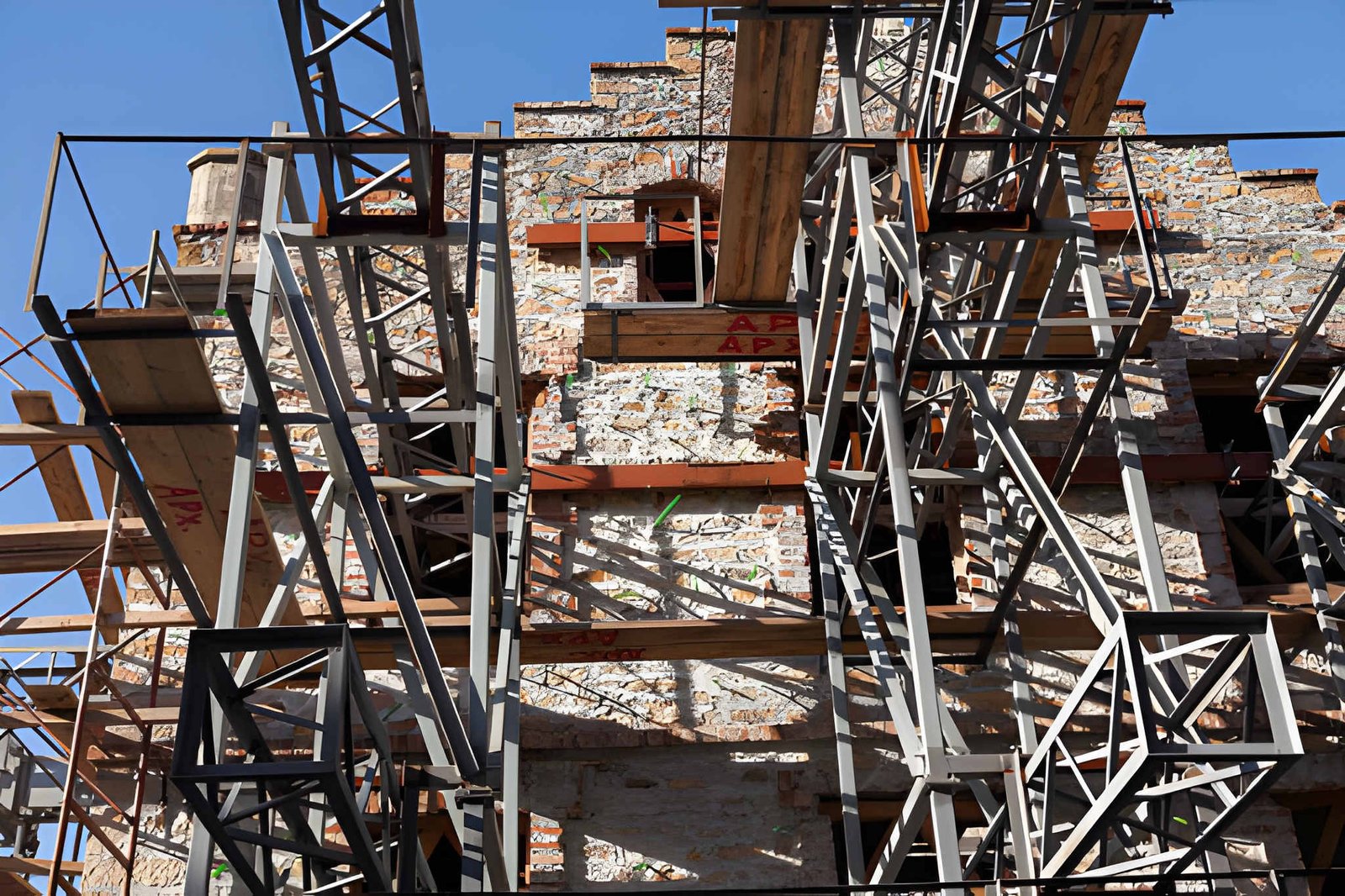
One of the main uses of donations is structural restoration. Experts repair foundations, walls, roofs, and other structural components that may have been damaged over time. These repairs help ensure that ancient churches remain safe and stable.
Another important aspect of restoration involves the conservation of historic artwork. Professional conservators carefully clean and restore murals, mosaics, and religious icons to preserve their beauty and historical significance.
Donations also support improvements that help protect churches from future damage. These improvements may include climate control systems, improved drainage, protective lighting, and better visitor management.
In addition, restoration initiatives often involve historical research and documentation. Scholars study ancient churches to better understand their origins and ensure that restoration efforts remain faithful to their historical design.
Through these combined efforts, donations help protect ancient churches and maintain their cultural and spiritual importance.
The Spiritual Impact of Restoring Ancient Churches
Restoring ancient churches is not only about preserving buildings; it is also about protecting places that hold deep spiritual meaning for millions of people.
These sacred spaces continue to inspire faith and reflection for visitors who come from around the world. Pilgrims often travel long distances to visit historic churches that are connected to important events in Christian history.
Restoration efforts allow these sacred sites to remain welcoming places of prayer, worship, and spiritual discovery.
For many communities, restoring an ancient church also strengthens local identity and cultural pride. These buildings often serve as central gathering places where traditions and faith are shared between generations.
By preserving these sacred spaces, restoration projects help keep the spiritual life of Christian communities alive.
How Your Support Can Make a Lasting Difference
Every donation contributes to the protection of Christian heritage. Individuals who donate to restore ancient churches become part of a global effort to preserve sacred places that represent centuries of faith and devotion.
Even small contributions can help support restoration experts, conservation projects, and long-term preservation plans. When many people come together to support these initiatives, the combined impact can save historic churches that might otherwise be lost.
Supporting church restoration also helps ensure that future generations will have the opportunity to visit these sacred sites, learn about Christian history, and experience the beauty of ancient religious architecture.
Through generosity and shared commitment, believers around the world can work together to protect these historic treasures.
Conclusion
Ancient churches are invaluable treasures of Christian history and culture. They represent centuries of faith, artistic achievement, and community life that continue to inspire people today.
However, preserving these sacred buildings requires ongoing care, expertise, and financial support. Restoration projects help repair structural damage, protect historic artwork, and maintain the spiritual atmosphere of these sacred places.
When individuals choose to donate to restore ancient churches, they play an essential role in safeguarding Christian heritage. Their support ensures that these historic churches will continue to stand as symbols of faith and devotion for generations to come.
Protecting ancient churches today means preserving the spiritual legacy of Christianity for the future.