
Christian heritage is a powerful reflection of centuries of faith, devotion, and cultural history. Across the world, historic churches, monasteries, and sacred pilgrimage sites continue to inspire believers and visitors who wish to connect with the spiritual traditions of Christianity.
Many of these historic landmarks have been preserved thanks to the dedication and support of faith communities. Churches, local congregations, and Christian organizations often play an essential role in protecting these sacred places and ensuring that they remain part of the spiritual and cultural landscape.
Today, the preservation of historic churches and Christian landmarks depends greatly on the involvement of believers and communities who value the importance of their heritage. Through collaboration, generosity, and shared commitment, faith communities support Christian heritage preservation and help safeguard sacred sites for future generations.
The Importance of Christian Heritage Preservation
Christian heritage includes more than historic buildings. It represents the traditions, artistic achievements, and spiritual practices that have shaped Christian communities for centuries.
Historic churches and sacred sites often contain valuable works of art, architectural features, and historical artifacts that tell the story of Christianity throughout history. These places serve as living reminders of the faith and devotion of earlier generations.
Preserving these sacred sites allows people today to experience the rich history of Christianity and learn about the cultural and spiritual traditions that have been passed down over time.
For many believers, visiting historic churches also provides opportunities for prayer, reflection, and spiritual renewal.
Because of this deep significance, protecting Christian heritage has become an important mission shared by communities around the world.
How Faith Communities Protect Historic Churches
Faith communities play a vital role in the preservation of historic churches. In many cases, local congregations are responsible for maintaining these buildings and ensuring that they remain safe and functional.
Community members often participate in fundraising efforts to support restoration projects and maintenance work. Donations collected through churches and charitable initiatives help provide the financial resources necessary for preservation efforts.
Volunteers also contribute their time and skills to assist with various aspects of church maintenance and heritage projects. These efforts may include organizing events, raising awareness about restoration needs, and supporting local preservation initiatives.
In addition, religious leaders often encourage believers to understand the importance of protecting historic churches and sacred sites. Through sermons, educational programs, and community discussions, they help inspire people to become involved in heritage preservation.
These collective efforts demonstrate how faith communities work together to protect their spiritual and cultural legacy.
Community Support and Church Restoration Projects
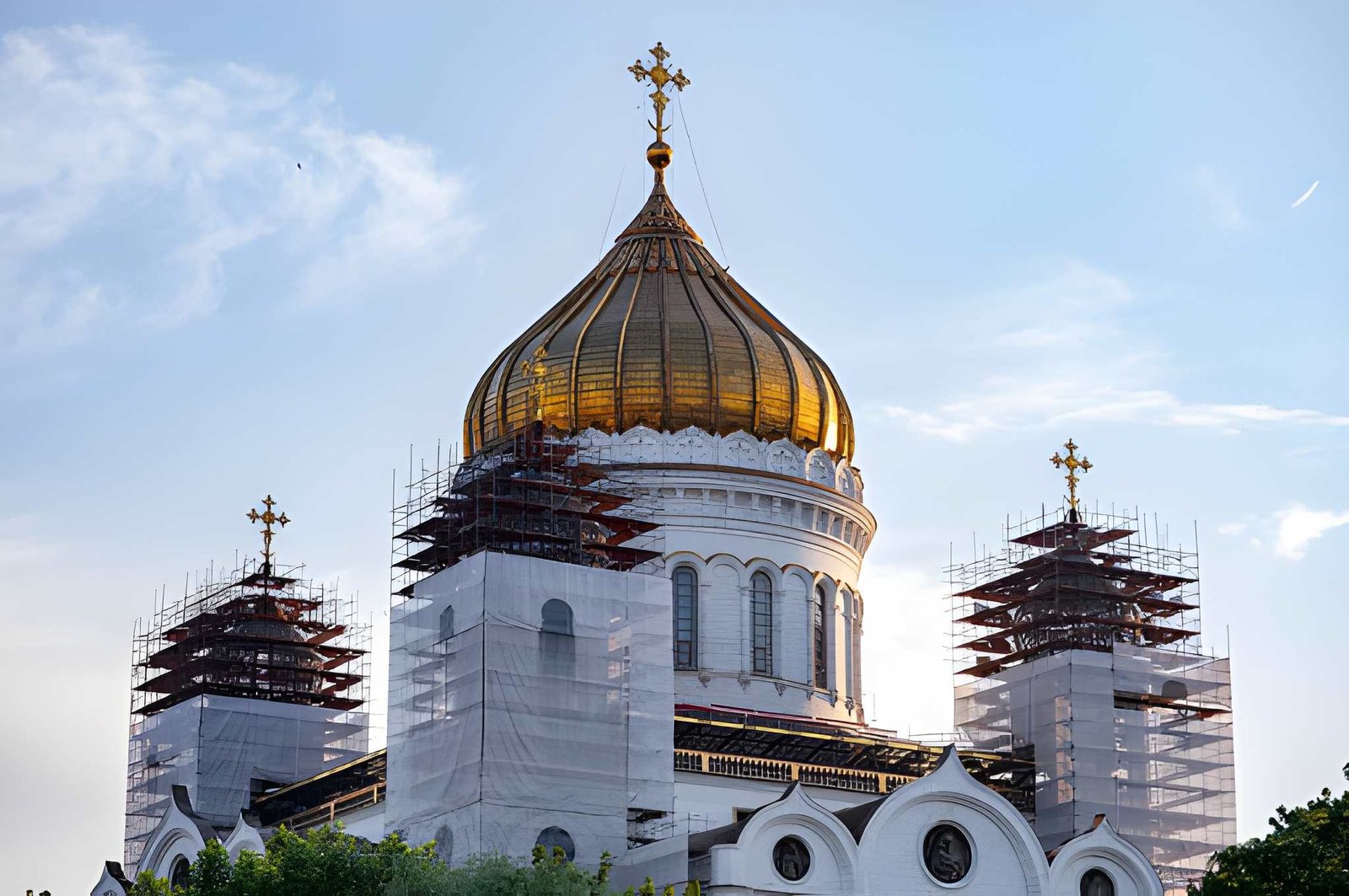
Church restoration projects often rely heavily on the support of local and global Christian communities. Restoration specialists, historians, architects, and conservation experts collaborate with community leaders to develop plans that preserve historic churches while respecting their original design.
Faith communities help fund these projects through charitable donations, fundraising campaigns, and partnerships with preservation organizations.
These contributions allow restoration teams to repair damaged structures, conserve historic artwork, and improve safety measures for visitors and worshippers.
Community involvement also helps ensure that restoration efforts remain closely connected to the spiritual purpose of these sacred spaces.
When believers participate in restoration projects, they help maintain churches not only as historical landmarks but also as active centers of worship and community life.
The Global Impact of Faith-Based Preservation Efforts
Christian heritage preservation is not limited to individual communities. Around the world, Christian organizations and believers collaborate to protect sacred sites that hold global significance.
Some historic churches and pilgrimage destinations attract visitors from many different countries. These sites often require large-scale preservation initiatives that involve international support and cooperation.
Faith communities play an important role in raising awareness about the need to protect these sacred places. By sharing information and encouraging charitable contributions, they help build global networks of support for heritage preservation.
Through these efforts, communities help ensure that important Christian landmarks continue to inspire faith and learning for people across the world.
Why Community Involvement Matters
Community involvement is one of the most powerful forces behind successful heritage preservation projects. When people feel a strong connection to their spiritual and cultural history, they are more motivated to protect it.
Faith communities help maintain this connection by encouraging participation in restoration initiatives and heritage programs. Their involvement strengthens the sense of shared responsibility for preserving sacred sites.
Communities also provide valuable local knowledge about the history and traditions associated with historic churches. This information helps restoration experts better understand the significance of these buildings and guide their preservation work.
By working together, communities and preservation specialists can develop sustainable solutions that protect historic churches while respecting their cultural and spiritual importance.
How You Can Support Christian Heritage Preservation
Individuals who wish to protect historic churches and sacred sites can contribute in several meaningful ways. One of the most effective ways is by supporting organizations and initiatives dedicated to heritage preservation.
People who participate in preservation efforts help ensure that faith communities support Christian heritage preservation through continued involvement and shared responsibility.
Supporting restoration initiatives, raising awareness about historic churches, and participating in community programs all contribute to protecting Christian heritage.
Every act of support helps preserve the spiritual and cultural legacy that these sacred places represent.
Conclusion
Christian heritage reflects centuries of faith, history, and cultural identity. Historic churches and sacred landmarks continue to serve as places of worship, reflection, and inspiration for believers around the world.
However, preserving these sacred sites requires dedication, collaboration, and ongoing support. Faith communities play a central role in ensuring that these historic places remain protected and accessible for future generations.
Through charitable contributions, volunteer efforts, and community engagement, faith communities support Christian heritage preservation and safeguard the spiritual legacy of Christianity.
By working together, believers and communities can continue protecting the sacred places that connect the past, present, and future of Christian faith.