
Christian pilgrimage has been a meaningful spiritual practice for centuries. Believers from around the world travel to sacred places connected to the life of Jesus Christ, early Christianity, and important moments in biblical history. These journeys are not just about travel; they are deeply personal experiences that strengthen faith and provide spiritual renewal.
Today, Christian pilgrimage destinations continue to attract millions of visitors each year. From ancient churches and monasteries to biblical landmarks, these sacred sites offer a unique opportunity to explore the history and spiritual foundations of Christianity.
Whether you are planning your first pilgrimage or seeking to deepen your faith through travel, understanding the most important destinations can help you create a meaningful and enriching experience.
What Are Christian Pilgrimage Destinations?
Christian pilgrimage destinations are sacred locations that hold religious significance in Christianity. These sites are often associated with events from the Bible, the life of Jesus Christ, or the early development of the Christian Church.
Pilgrimage destinations can include historic churches, monasteries, shrines, and important biblical locations. Many of these sites have been places of worship for centuries and continue to serve as spiritual centers for believers.
Pilgrims visit these destinations to pray, reflect, and connect with their faith. These journeys often provide a deeper understanding of Christian history and traditions.
Some pilgrimage destinations are known worldwide, while others are lesser-known but equally meaningful for spiritual reflection.
The Most Important Christian Pilgrimage Destinations
There are many significant Christian pilgrimage destinations across the world, each offering a unique spiritual experience.
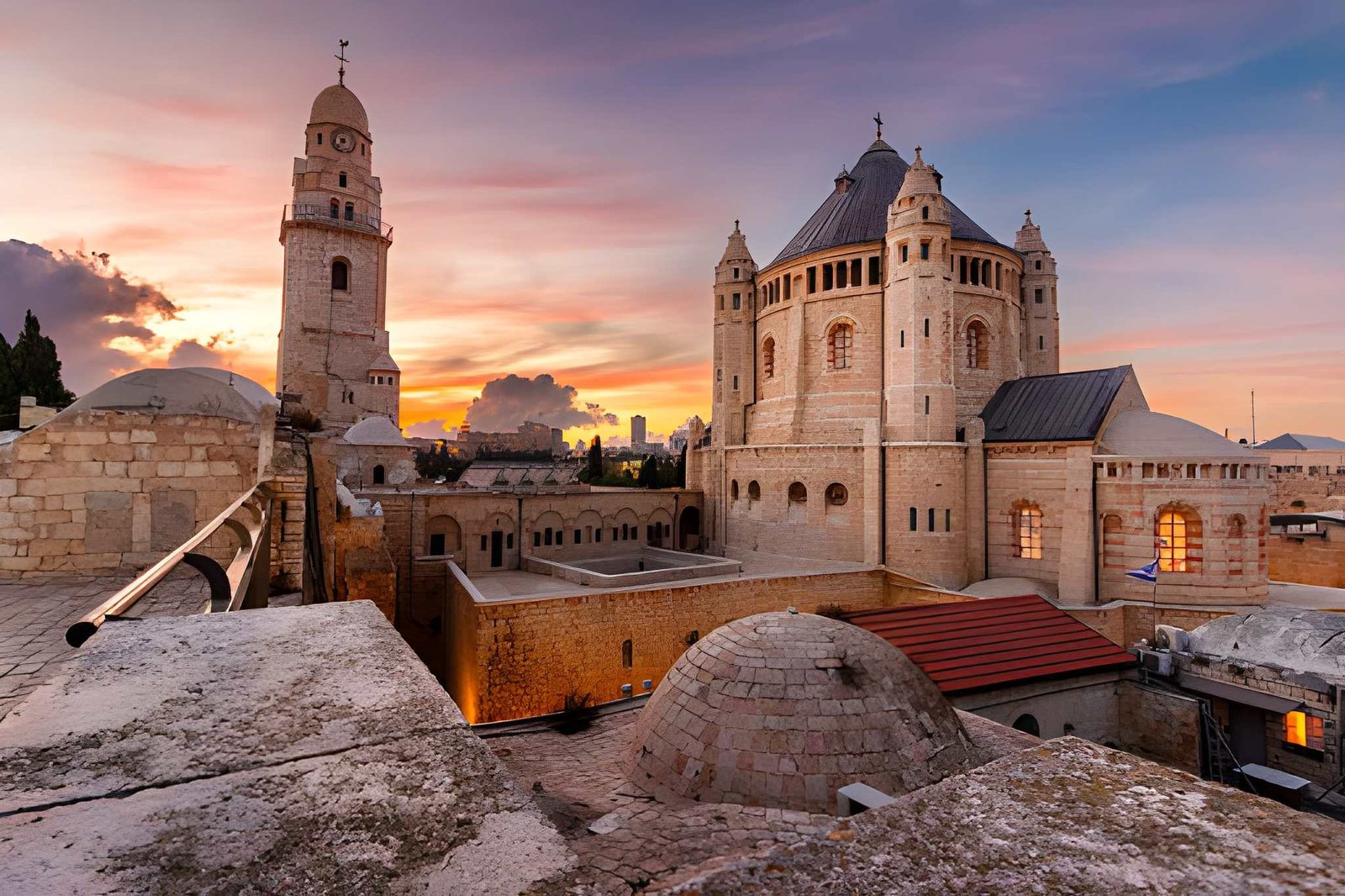
One of the most important regions is the Holy Land, which includes several key biblical sites. Cities such as Jerusalem and Bethlehem are central to Christian history and attract millions of pilgrims every year.
In Jerusalem, one of the most sacred sites is the Church of the Holy Sepulchre, believed to be the location of the crucifixion and resurrection of Jesus Christ. This church is one of the most visited pilgrimage destinations in the world.
Another important site is the Church of the Nativity in Bethlehem, traditionally recognized as the birthplace of Jesus. Pilgrims visit this historic church to reflect on the significance of Christ’s birth.
Beyond the Holy Land, Europe is home to many famous pilgrimage destinations, including ancient cathedrals, monasteries, and historic churches that have been centers of worship for centuries.
These destinations provide pilgrims with opportunities to explore both the spiritual and cultural heritage of Christianity.
Why Christians Go on Pilgrimage
Pilgrimage is an important expression of faith for many Christians. It offers believers the opportunity to step away from daily life and focus on spiritual growth and reflection.
Visiting sacred sites allows pilgrims to connect with key moments in Christian history. Walking through places mentioned in the Bible or visiting historic churches can create a deeper understanding of faith and tradition.
Pilgrimage journeys also encourage prayer and contemplation. Many pilgrims use this time to reflect on their beliefs, seek guidance, and strengthen their relationship with God.
In addition, pilgrimage often brings people together. Travelers from different backgrounds and cultures share a common purpose, creating a sense of unity and community.
How to Plan a Christian Pilgrimage
Planning a pilgrimage requires thoughtful preparation to ensure a meaningful and comfortable experience. The first step is choosing the right destination based on your spiritual goals and interests.
Researching pilgrimage sites can help you understand their historical and religious significance. This knowledge can enhance your experience and make your journey more meaningful.
It is also important to consider travel logistics such as transportation, accommodation, and the best time to visit. Some pilgrimage sites can be very busy during certain seasons, so planning ahead can help you avoid large crowds.
Many people choose to join organized pilgrimage tours, which provide guidance, structured itineraries, and opportunities to visit multiple sacred sites.
Preparing spiritually is just as important as planning the journey itself. Taking time for prayer and reflection before your trip can help you approach the pilgrimage with the right mindset.
The Role of Pilgrimage in Christian Heritage
Christian pilgrimage plays a key role in preserving and promoting Christian heritage. Sacred sites are not only places of worship but also important historical landmarks that tell the story of Christianity.
Pilgrims who visit these destinations contribute to their preservation by supporting local communities and restoration efforts. Many pilgrimage sites rely on visitor support to maintain and protect historic churches and landmarks.
In addition, pilgrimage helps raise awareness about the importance of preserving Christian heritage. Visitors who experience these sacred places often become advocates for their protection.
By participating in pilgrimage, believers help ensure that these historic sites remain accessible and meaningful for future generations.
Conclusion
Christian pilgrimage destinations offer a unique opportunity to explore the spiritual and historical foundations of Christianity. These sacred places connect believers with important events, traditions, and communities that have shaped the faith over centuries.
From the Holy Land to historic churches across the world, pilgrimage sites continue to inspire millions of people seeking spiritual growth and deeper understanding.
By visiting and supporting these destinations, pilgrims contribute to the preservation of Christian heritage and help protect sacred sites for future generations.
Whether you are planning your first journey or continuing a lifelong tradition, exploring Christian pilgrimage destinations can be a powerful and transformative experience.