

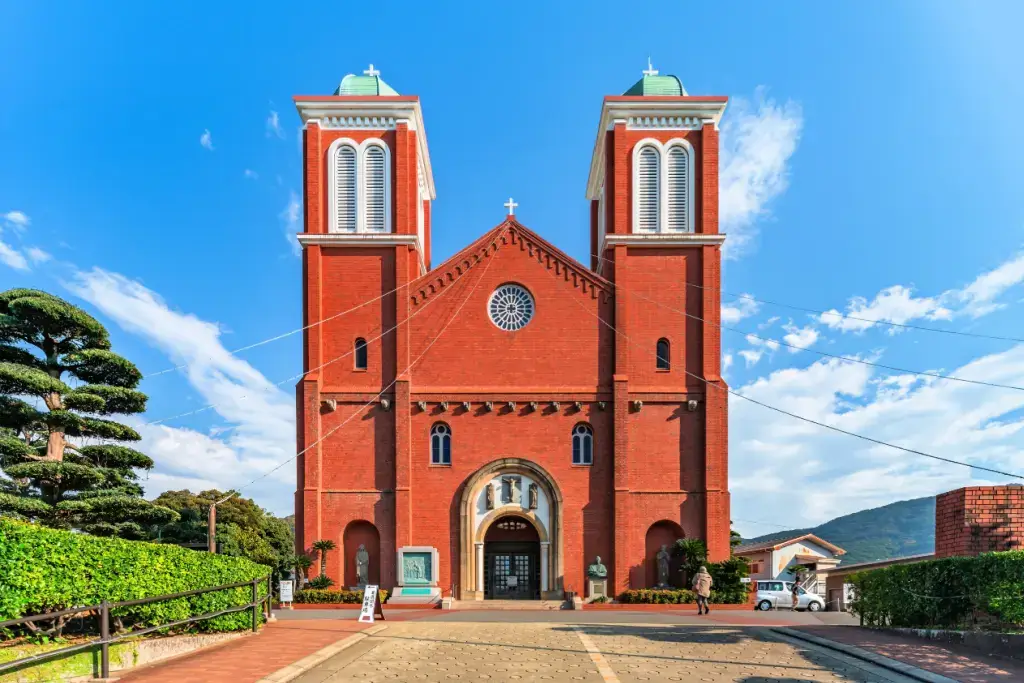
The historic Urakami Cathedral in Nagasaki, Japan, has recently been restored with the installation of a new “Bell of Hope,” replacing the one destroyed during the atomic bombing of 1945. The event marks a significant milestone in the city’s efforts to preserve its cultural and spiritual heritage.
A Symbol of Faith and Resilience
Urakami Cathedral, originally completed in 1895, was once the largest Catholic church in East Asia. Its destruction in the atomic bombing left behind ruins that became a global symbol of tragedy and resilience. After years of reconstruction, the cathedral was rebuilt in 1959, serving as both a place of worship and a peace monument.
The New Bell of Hope
The new bell, blessed in a solemn ceremony attended by church leaders, government officials, and local residents, symbolizes peace, forgiveness, and the enduring strength of the Nagasaki community. For many, its ringing carries a message of interfaith dialogue and global solidarity.
Cultural and Historical Significance
Today, Urakami Cathedral is not only a major religious site for Japan’s Catholic minority but also a destination for peace pilgrims worldwide. The restoration project highlights Nagasaki’s commitment to preserving its heritage while promoting reconciliation and dialogue between cultures and faiths.
The installation of the new bell ensures that the cathedral continues to stand as a beacon of resilience, remembrance, and hope for future generations.