

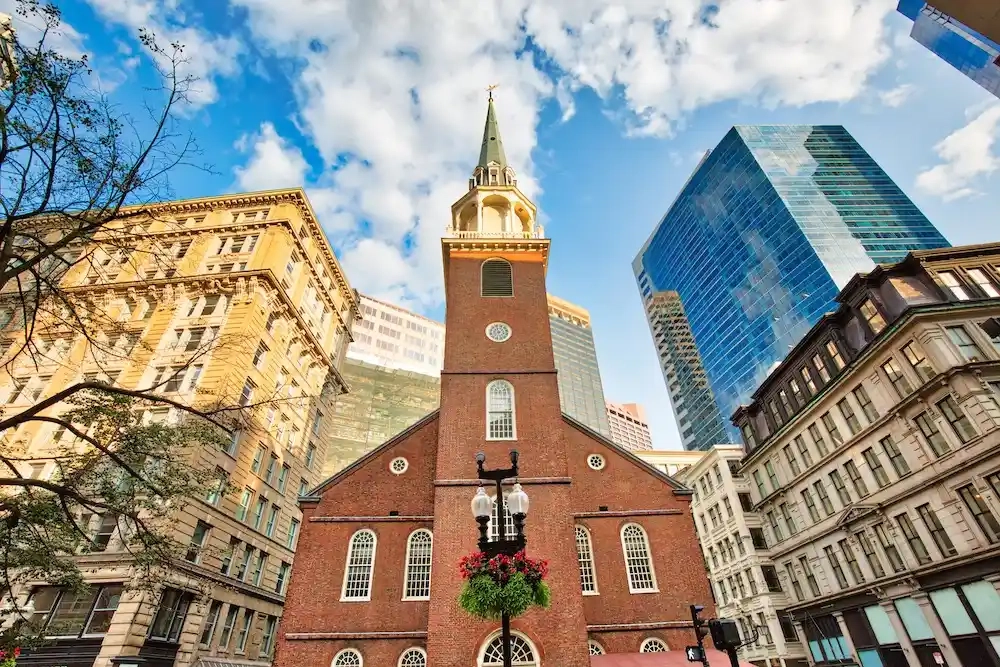
During ongoing restoration work at the historic Old North Church in Boston, Massachusetts, workers have rediscovered hidden cherub sculptures dating back to the 18th century. These ornamental figures, long concealed under layers of paint and plaster, offer new insights into the church’s artistic and architectural heritage.
Historical Background
The Old North Church, officially known as Christ Church in the City of Boston, was built in 1723 and is famous for its role in the American Revolution, particularly the signal lanterns that alerted colonial militias of British troop movements. The church’s interior contains intricate woodwork, galleries, and decorative elements reflecting 18th-century craftsmanship.
Restoration Efforts and Discoveries
As part of a major restoration project, conservators focused on:
-
Removing old paint layers and repairing deteriorated plaster.
-
Stabilizing wooden structures, including balconies and ornamental moldings.
-
Revealing hidden artwork, such as the newly rediscovered cherubs, which showcase the craftsmanship of early American artisans.
Cultural and Artistic Significance
The cherubs are not only decorative but also historically significant, providing insight into the aesthetic preferences and religious symbolism of 18th-century New England. Their rediscovery has generated excitement among historians, art conservators, and the local community.
Community Engagement and Preservation
The Old North Church continues to serve as both a place of worship and a major tourist attraction, drawing visitors interested in American history and architecture. Restoration efforts emphasize historical accuracy, preservation of heritage, and community involvement, ensuring that future generations can appreciate the church’s artistry and historical importance.