
The Via Dolorosa, Latin for “Way of Suffering,” is one of the most sacred pilgrimage routes in Christianity. Winding through the ancient streets of Jerusalem’s Old City, this revered path traces the footsteps of Jesus Christ from His condemnation before Pontius Pilate to His crucifixion, death, and resurrection. For centuries, believers have walked this way to meditate on Christ’s Passion, experience the depth of His love, and renew their own spiritual faith.
The Via Dolorosa stretches approximately 600 meters through narrow, bustling streets filled with history and devotion. Along the way lie fourteen Stations of the Cross, each commemorating a significant moment in Jesus’ final journey. This powerful experience allows pilgrims to not only witness biblical history but also participate in it through prayer, contemplation, and reflection.
The journey begins near the Antonia Fortress, traditionally believed to be the site where Jesus was tried and condemned by Pontius Pilate. It concludes at the Church of the Holy Sepulchre, which enshrines both Calvary—the place of crucifixion—and the Tomb of Christ. Every Friday, the Franciscan friars lead a public procession along this route, preserving a centuries-old tradition of devotion that continues to unite Christians from every denomination.
The Fourteen Stations of the Cross
Each station on the Via Dolorosa invites pilgrims to reflect on Christ’s suffering, compassion, and obedience to God’s will.
1. Jesus is Condemned to Death
This first station marks the moment of Christ’s unjust condemnation. Pilgrims pause here to consider the cost of truth and the power of humility in the face of injustice.
2. Jesus Takes Up His Cross
At this point, Jesus accepts His cross, embracing humanity’s burden of sin. Pilgrims are reminded to carry their own crosses with faith and courage.
3. Jesus Falls for the First Time
We recall Christ’s humanity—His physical pain and exhaustion. Every fall teaches perseverance and the grace of rising again.
4. Jesus Meets His Mother
Mary’s silent suffering reveals the strength of love and faith in sorrow. Pilgrims reflect on family, compassion, and unity in grief.
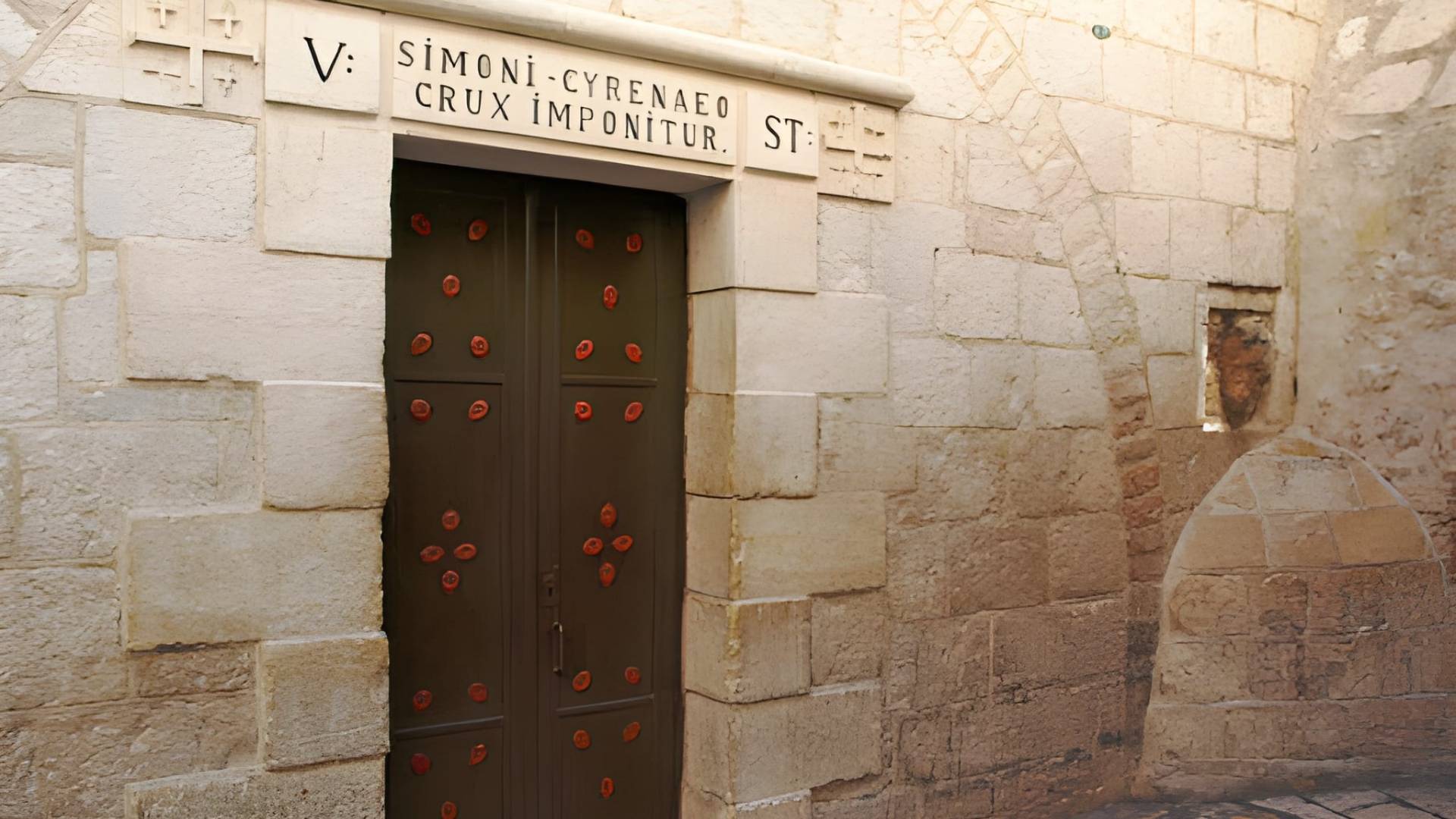
5. Simon of Cyrene Helps Jesus Carry the Cross
Here, Simon represents all who help others in their suffering. This act of kindness reminds believers that sharing another’s burden is an act of divine love.
6. Veronica Wipes the Face of Jesus
Veronica’s compassion leaves a lasting image—the Holy Face of Christ—on her veil, symbolizing how every act of mercy reflects God’s image in us.
7. Jesus Falls the Second Time
Despite growing weakness, Jesus continues His path. This moment encourages perseverance through life’s trials.
8. Jesus Speaks to the Women of Jerusalem
Amid pain, Christ consoles others. His compassion calls believers to think beyond themselves, even in suffering.
9. Jesus Falls the Third Time
This station signifies the ultimate struggle of the human spirit—yet even here, Christ rises once more, showing victory through endurance.
10–14: The Crucifixion and Resurrection
Inside the Church of the Holy Sepulchre, the final five stations unfold: Jesus is stripped of His garments, nailed to the cross, dies, is taken down, and laid in the tomb. Pilgrims touch the Stone of Anointing, where His body was prepared for burial, and kneel at the Empty Tomb, the symbol of eternal hope and victory over death.
Spiritual Meaning of the Via Dolorosa
Walking the Via Dolorosa is not simply retracing ancient steps—it is entering into the heart of the Christian story. Every stone, every prayer, every tear becomes part of a sacred dialogue between the believer and God. Pilgrims often describe the experience as transformative, awakening a deeper awareness of faith, repentance, and divine mercy.
The route also symbolizes the universal Christian journey. Just as Jesus carried His cross, every believer faces trials that test their faith. Yet, through the cross comes renewal, healing, and resurrection. Walking the Via Dolorosa helps Christians internalize this truth, transforming suffering into a path toward redemption.
A Living Witness of Faith
Beyond its spiritual significance, the Via Dolorosa is a living monument of faith shared by generations. Christians from every tradition—Catholic, Orthodox, and Protestant—walk this path together, united by devotion to Christ’s Passion. Amid the sounds of Jerusalem’s markets and the fragrance of incense, the pilgrim’s heart encounters peace and reverence.
In this sacred place, history and eternity meet. The stones whisper stories of devotion, sacrifice, and love. The Via Dolorosa reminds us that the cross was not the end but the beginning of salvation. Each step taken here becomes a prayer of faith, a reminder that through the cross, we find life everlasting.