
Emmaus is one of the most spiritually profound locations in Christian tradition. Mentioned in the Gospel of Luke, Emmaus is the village where Jesus appeared to two of His disciples on the day of His Resurrection. This encounter, known as the “Road to Emmaus” story, is one of the most meaningful and transformative moments in the New Testament. For Christians around the world, Emmaus symbolizes renewed faith, restored hope, and the realization of Christ’s living presence.
The biblical account in Luke 24 describes two disciples walking from Jerusalem to the village of Emmaus, deeply discouraged after the crucifixion of Jesus. As they journeyed, a stranger approached and began walking with them. Although they did not recognize Him, the stranger explained the Scriptures concerning the Messiah, revealing the necessity of His suffering and glory. It was only later, during the breaking of bread, that the disciples realized the stranger was the risen Jesus. This moment of recognition became one of the earliest and clearest testimonies of the Resurrection.
Emmaus holds immense significance because it highlights the way Jesus meets people in their moments of doubt, grief, and confusion. The disciples’ journey represents the inner struggle every believer faces when faith is tested. Yet the risen Christ walks beside them, offering clarity, truth, and renewed purpose. For pilgrims visiting Emmaus today, this message remains as powerful as it was nearly two thousand years ago.
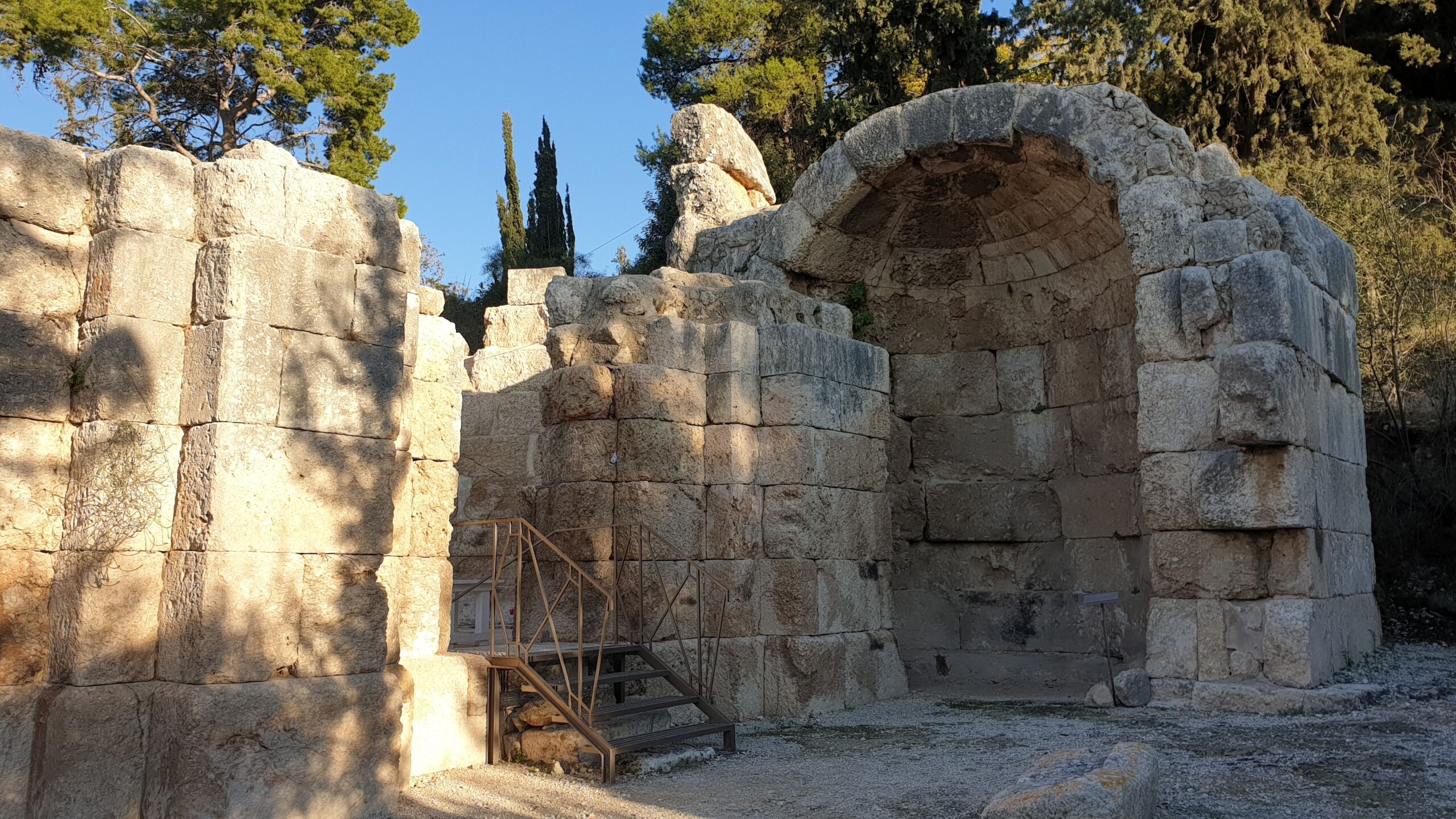
The exact location of Emmaus has been debated throughout history, with several proposed sites: Emmaus Nicopolis, El-Qubeibeh, and Colonia among the most recognized. The most widely accepted by many scholars is Emmaus Nicopolis, located west of Jerusalem. Here, archaeological remains of early churches and Byzantine structures provide evidence of centuries of Christian veneration. Regardless of which site is historically accurate, each offers pilgrims a profound setting for reflection and prayer.
One of the most meaningful aspects of Emmaus is its connection to the experience of recognizing Christ in the “breaking of the bread.” This symbolic act has deep ties to the Eucharist, reminding believers of Christ’s presence in the sacrament and in their daily lives. Many Christian groups hold prayer services and communion gatherings in Emmaus, reflecting on the spiritual clarity that came to the disciples at that sacred moment.
The landscape around Emmaus offers a peaceful and contemplative environment. Rolling hills, olive groves, and ancient pathways create a setting that helps pilgrims imagine the original journey of the two disciples. Walking these paths serves as a symbolic pilgrimage, encouraging visitors to reflect on their own spiritual journeys and the ways Christ continues to guide them.
Emmaus also holds historical importance beyond its biblical significance. The region has been inhabited for thousands of years and was a strategic site during various periods, including the Roman and Byzantine eras. Archaeological discoveries in Emmaus Nicopolis include ancient mosaics, basilicas, and baptismal fonts, each providing insight into the early Christian community that flourished there. These findings help modern visitors connect not only with Scripture but also with the lived faith of generations of believers.
For many pilgrims, the most transformative experience in Emmaus comes from its message of renewed hope. The disciples began their journey overwhelmed by sorrow and confusion, yet their encounter with Christ filled them with joy, clarity, and purpose. They immediately returned to Jerusalem to proclaim the good news of the Resurrection. This dramatic shift inspires Christians today to embrace their faith with renewed conviction and share the message of Christ with others.
Emmaus reminds believers that Christ often walks with them even when they do not recognize His presence. It encourages a deeper awareness of God’s guidance in everyday life, especially during difficult moments. The story of Emmaus is a powerful reminder that faith is not defined by understanding alone, but by trust, encounter, and openness to God’s revelation.
Today, Emmaus remains a cherished pilgrimage destination that invites reflection, prayer, and spiritual renewal. Whether walking its ancient trails, visiting its archaeological sites, or meditating on Scripture, pilgrims find Emmaus to be a place where the Resurrection story becomes deeply personal. It is a place where faith is restored, where hearts burn with spiritual awakening, and where the presence of the risen Christ becomes unmistakably real.