
The Church of St. George is one of the most revered Christian landmarks in the world, honored for its deep history, spiritual symbolism, and connection to one of Christianity’s most celebrated saints. Known globally for the legacy of Saint George, the courageous martyr and defender of the faith, this church stands as a beacon of Christian devotion, attracting pilgrims and visitors from across the globe.
Saint George, venerated in both Eastern and Western Christian traditions, is remembered for his unwavering faith and heroic witness to Christ. His courage in the face of persecution, along with the legendary story of his triumph over evil—symbolized by the slaying of the dragon—made him a beloved figure throughout centuries. Churches dedicated to him, including the Church of St. George, serve as powerful reminders of spiritual strength, sacrifice, and steadfast belief.
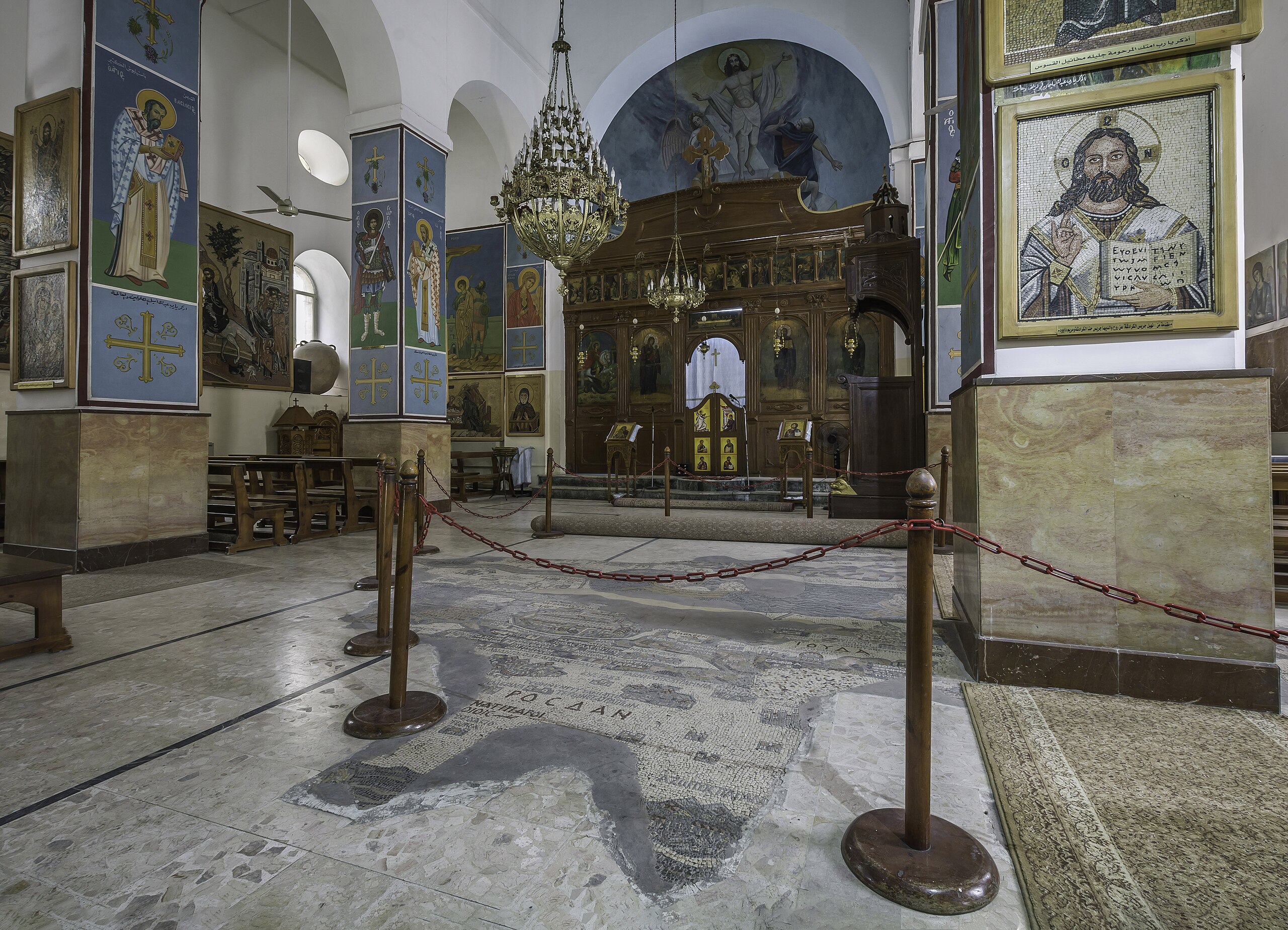
The Church of St. George exists in several key Christian locations around the world, but one of the most historically significant sites is found in Madaba, Jordan. This ancient church is renowned for housing the famous Madaba Map, the oldest surviving cartographic depiction of the Holy Land. Created in the 6th century, this mosaic map provides a remarkable window into the early Christian understanding of biblical geography. Pilgrims visiting the Church of St. George find themselves stepping into a piece of living history that connects Scripture with archaeological discovery.
The architecture of the Church of St. George is a meaningful expression of early Christian artistry. The blend of Byzantine design, stone walls, and intricate mosaics reflects the devotion of the early Christian communities who built and preserved it. The mosaic map alone features more than two million colored stones arranged with incredible precision, illustrating key biblical locations such as Jerusalem, Bethlehem, and the Jordan River. These mosaics offer visitors a visual journey through the lands where Jesus and His disciples lived and ministered.
The church is not only significant for its artifacts but also as a place of worship that continues to inspire devotion. Pilgrims who enter its doors often engage in prayer, reflection, and reading of Scripture. The peaceful atmosphere allows visitors to contemplate the faith and courage of Saint George, whose example continues to encourage Christians to stand firm in their beliefs despite challenges and trials.
Beyond its biblical and archaeological importance, the Church of St. George also represents the resilience of Christian communities throughout history. Madaba itself has been a center of Christian settlement since the early centuries of the faith. The restoration and preservation of this church serve as a testament to the enduring presence of Christianity in the region. For many visitors, the site offers a powerful reminder that faith communities have survived and thrived through countless generations.
Pilgrims who travel to the Church of St. George also gain insight into the strong traditions surrounding Saint George himself. Celebrated annually on various feast days across Christian denominations, Saint George is honored as a symbol of courage and spiritual triumph. His life story encourages believers to remain dedicated to truth and righteousness, even in moments of fear or uncertainty. Many pilgrims light candles or offer prayers before icons of Saint George, seeking his intercession and reflecting on the strength of faith he embodied.
In addition to the spiritual and historical significance, the Church of St. George plays an important role in cultural heritage preservation. The community surrounding the church has invested heavily in maintaining its artifacts, restoring its mosaics, and welcoming visitors with hospitality rooted in centuries-old tradition. As a result, the church remains an essential destination for travelers, historians, and faith seekers alike.
Whether admired for its ancient mosaics, celebrated for its connection to Saint George, or cherished as a place of worship, the Church of St. George continues to inspire countless pilgrims. It stands as a timeless symbol of Christian identity, offering a sacred space where believers can deepen their faith, connect with history, and reflect on God’s enduring presence.
For modern pilgrims, a visit to the Church of St. George is both a journey into the past and an invitation to spiritual renewal. It reminds us that faith has been carried through the ages by believers who, like Saint George, stood firmly for what is true and holy. Today, the church remains a powerful testimony to the strength of the Christian spirit and the unbroken chain of devotion that continues across generations.