

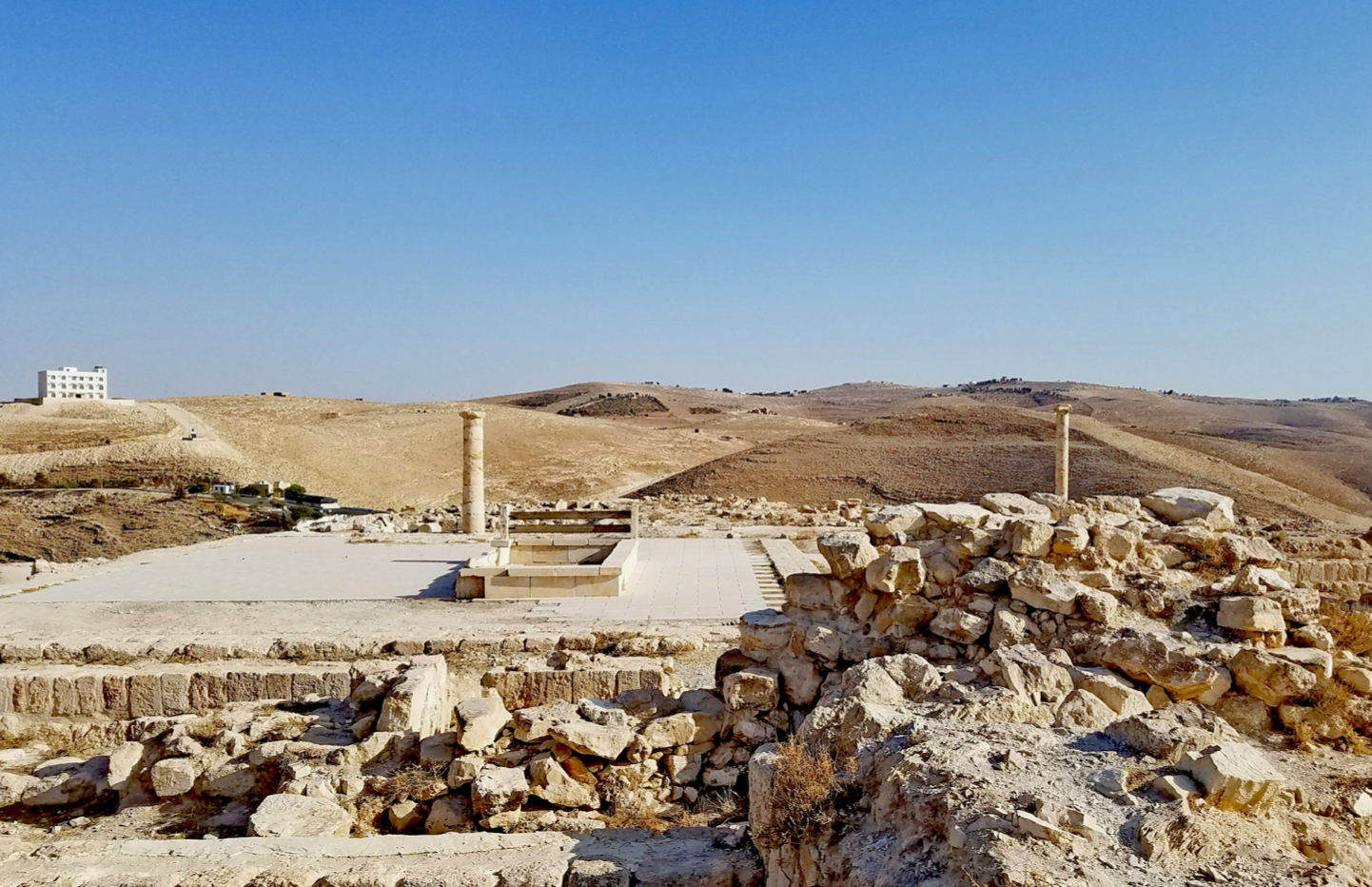
Mukawir, also known as Machaerus, is a significant Christian pilgrimage site and ancient fortress located in modern-day Jordan. This hilltop stronghold holds a profound place in biblical history, particularly in connection with John the Baptist, one of the most revered figures in Christianity. Pilgrims from around the world visit Mukawir to reflect on its historical, archaeological, and spiritual significance, making it a cherished destination in the Holy Land.
Historically, Mukawir was a fortified palace constructed by Herod the Great in the first century BCE. Its strategic location atop a steep hill allowed for panoramic views of the surrounding Jordan Valley, offering both security and a commanding presence. The fortress later became the prison where John the Baptist was held, and ultimately, it is traditionally believed to be the site of his martyrdom. For Christians, Mukawir serves as a tangible connection to the story of John’s unwavering commitment to truth and his witness to God’s message.
The biblical association with John the Baptist makes Mukawir a deeply meaningful site for Christian pilgrims. According to the Gospels, John courageously confronted Herod over issues of morality and righteousness, ultimately leading to his imprisonment. His story embodies faithfulness, moral courage, and the willingness to speak truth even in the face of death. Pilgrims visiting Mukawir often reflect on these qualities, finding inspiration in John’s steadfast devotion and prophetic mission.
Archaeologically, Mukawir offers rich insights into the Herodian period. Excavations reveal the remains of the fortress walls, palace foundations, cisterns, and other structures that illustrate the ingenuity of ancient construction. Visitors can explore the ruins and imagine the fortress as it once stood—an imposing seat of power that also became a sacred site of Christian memory. The dramatic landscape, coupled with the historical ruins, provides a unique environment for contemplation and spiritual reflection.
Mukawir’s elevated location offers breathtaking views of the Dead Sea, the Jordan Valley, and surrounding hills. This natural setting enhances the pilgrim experience, allowing visitors to feel a deep connection to the geography of the biblical narrative. Walking among the stones and ruins, pilgrims can envision the ancient fortress bustling with life and witnessing the pivotal events surrounding John the Baptist’s ministry and imprisonment.
Beyond its historical and archaeological importance, Mukawir remains a site of ongoing spiritual reflection. Pilgrims often pray, meditate, and contemplate the courage of John the Baptist as they tour the ruins. The site encourages visitors to consider the cost of faith, the strength needed to uphold moral convictions, and the enduring impact of prophetic witness. Mukawir thus serves as both a historical landmark and a spiritual classroom for modern believers.
The preservation of Mukawir has been a priority for archaeologists and local authorities, who recognize its dual value as both a cultural treasure and a sacred Christian site. Efforts include maintaining pathways, providing visitor information, and protecting the integrity of the ruins. These initiatives ensure that pilgrims and scholars alike can continue to explore and learn from Mukawir in a safe and meaningful way.
Visiting Mukawir today allows pilgrims to journey through history and scripture simultaneously. The combination of ancient ruins, panoramic landscapes, and biblical significance creates a pilgrimage experience that is both educational and spiritually enriching. Travelers gain a deeper understanding of the historical context of John the Baptist’s life and the challenges faced by early witnesses of Christ.
For many Christians, Mukawir is more than a historical site; it is a place of inspiration and reflection. The courage, faith, and moral integrity of John the Baptist resonate across centuries, reminding believers of the power of conviction and the importance of living faithfully. Mukawir offers a unique opportunity to engage with history, Scripture, and personal spirituality in a singular, transformative experience.
In conclusion, Mukawir (Machaerus) stands as a remarkable testament to biblical history, Christian pilgrimage, and enduring faith. Its combination of archaeological significance, scenic beauty, and spiritual depth makes it a must-visit destination for pilgrims seeking to connect with the story of John the Baptist and the broader narrative of Christianity in the Holy Land. The fortress remains a living symbol of courage, devotion, and the timeless relevance of biblical teachings for believers around the world.