The House of the Virgin Mary is one of the most spiritually significant Christian pilgrimage sites in the world, revered as the place where the Virgin Mary is believed to have spent her final years on earth. Nestled on the peaceful slopes of Mount Koressos near the ancient city of Ephesus, this sacred site draws pilgrims from across the globe who seek prayer, reflection, and a deeper connection with the Mother of Jesus.
According to Christian tradition, after the crucifixion of Christ, the Apostle Saint John the Apostle brought the Virgin Mary to the region of Ephesus, following Jesus’ instruction to care for her. This belief is rooted in early Christian writings and reinforced by theological tradition, suggesting that Mary lived a quiet, prayerful life in this secluded location until her Assumption. The House of the Virgin Mary stands as a symbol of obedience, humility, and unwavering faith.
The site remained hidden for centuries until the 19th century, when it was identified through the visions of Anne Catherine Emmerich, a German Catholic mystic. Her detailed descriptions of Mary’s final home led explorers and clergy to discover the ruins of a small stone house that closely matched her accounts. Subsequent archaeological studies revealed that the structure dates back to the early Christian era, strengthening its credibility as an authentic place of devotion.
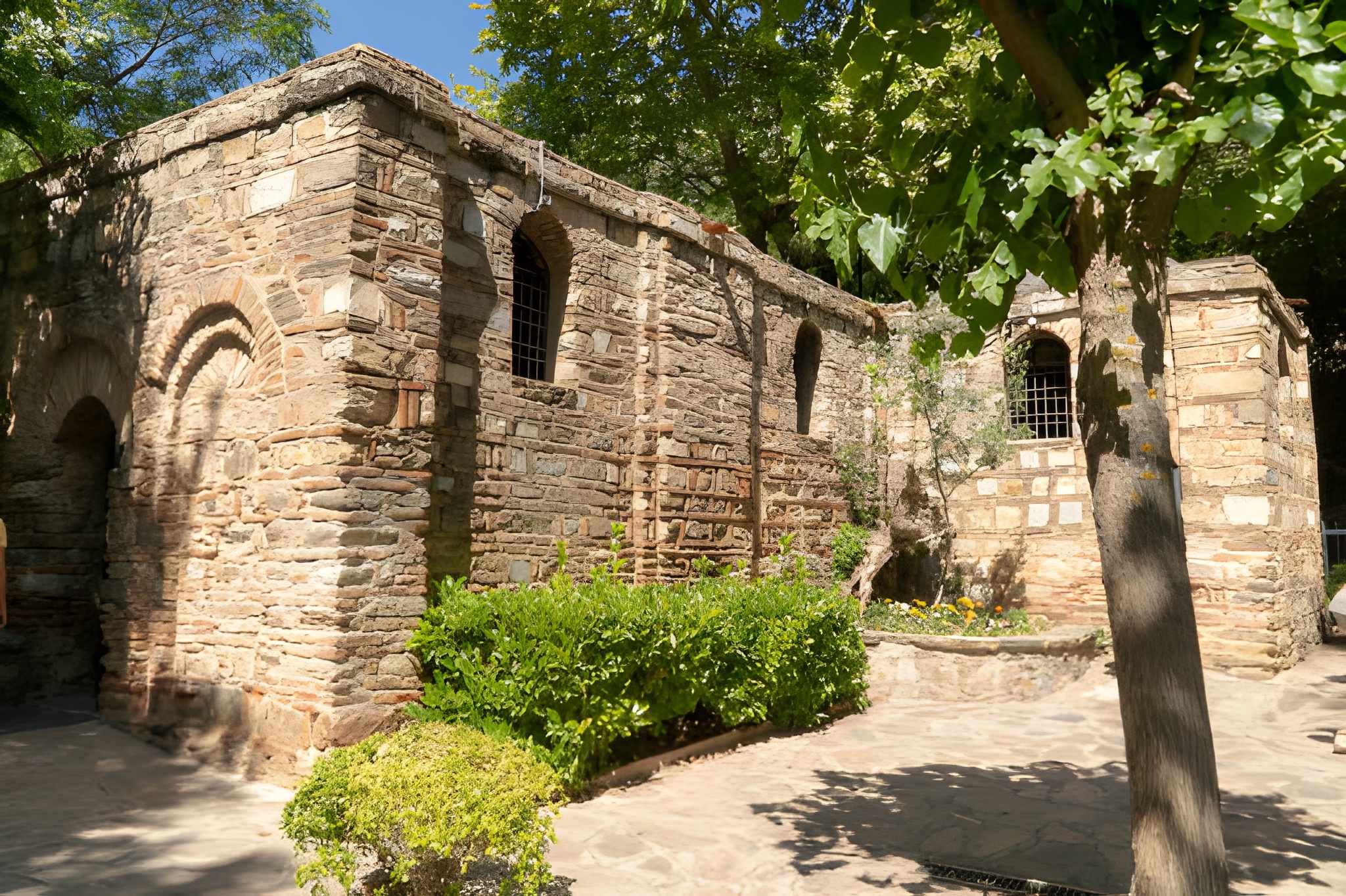
Today, the House of the Virgin Mary, known locally as Meryem Ana Evi, is preserved as a simple stone dwelling that reflects the modest life Mary is believed to have lived. The interior consists of a small chapel where pilgrims can pray in silence, light candles, and reflect on Mary’s role in salvation history. The atmosphere inside is deeply peaceful, inviting visitors to pause, pray, and experience a sense of spiritual closeness.
The significance of the House of the Virgin Mary extends beyond Catholic tradition. Christians of various denominations, as well as Muslims, venerate Mary as a holy and righteous woman. This shared reverence has made the site a powerful symbol of interfaith respect and spiritual unity. Visitors from diverse backgrounds come not only as pilgrims but also as seekers of peace and reflection.
One of the most meaningful practices at the site involves the prayer wall, where pilgrims write their prayers and intentions on small pieces of paper and attach them to the wall. These prayers often express hopes for healing, family unity, faith, and peace. Nearby flows a natural spring believed by many to have healing properties. Pilgrims collect the water as a reminder of their visit and as a symbol of spiritual renewal.
The House of the Virgin Mary has received recognition and reverence from modern popes, further affirming its importance in Christian pilgrimage. Papal visits and prayers at the site have elevated its global profile and encouraged millions of believers to include it in their spiritual journeys. These visits underscore the Church’s respect for the site’s long-standing tradition and devotional value.
The natural surroundings of the House of the Virgin Mary enhance its spiritual atmosphere. Surrounded by forested hills, birdsong, and fresh mountain air, the setting evokes the quiet life of contemplation and prayer that Mary is believed to have embraced. The peaceful environment allows pilgrims to disconnect from worldly distractions and focus entirely on spiritual reflection.
Historically, the proximity of the site to ancient Ephesus adds to its significance. Ephesus was an important center of early Christianity and the location of the Third Ecumenical Council in 431 AD, which affirmed Mary as Theotokos, the Mother of God. This theological declaration deepened Marian devotion throughout the Christian world and strengthened the connection between Mary and the region.
For many pilgrims, visiting the House of the Virgin Mary is a deeply emotional experience. Standing in the place believed to be Mary’s final home inspires reflection on her life of faith, humility, and surrender to God’s will. Pilgrims often leave with a renewed sense of trust, peace, and spiritual strength, carrying Mary’s example into their own lives.
The House of the Virgin Mary remains a living pilgrimage site, hosting regular prayers, liturgies, and special Marian celebrations. Despite its simplicity, it holds immense spiritual power, reminding believers that holiness is often found in quiet obedience rather than grandeur. The site continues to inspire devotion across generations, serving as a bridge between biblical history and living faith.
In conclusion, the House of the Virgin Mary stands as a sacred witness to a life lived in faith, humility, and devotion to God. As one of the most cherished Marian pilgrimage destinations in the world, it offers pilgrims a unique opportunity to connect with the spiritual legacy of Mary in a place marked by peace and reverence. Whether approached as a believer, historian, or seeker, the House of the Virgin Mary remains a powerful symbol of Christian hope, love, and enduring faith.