

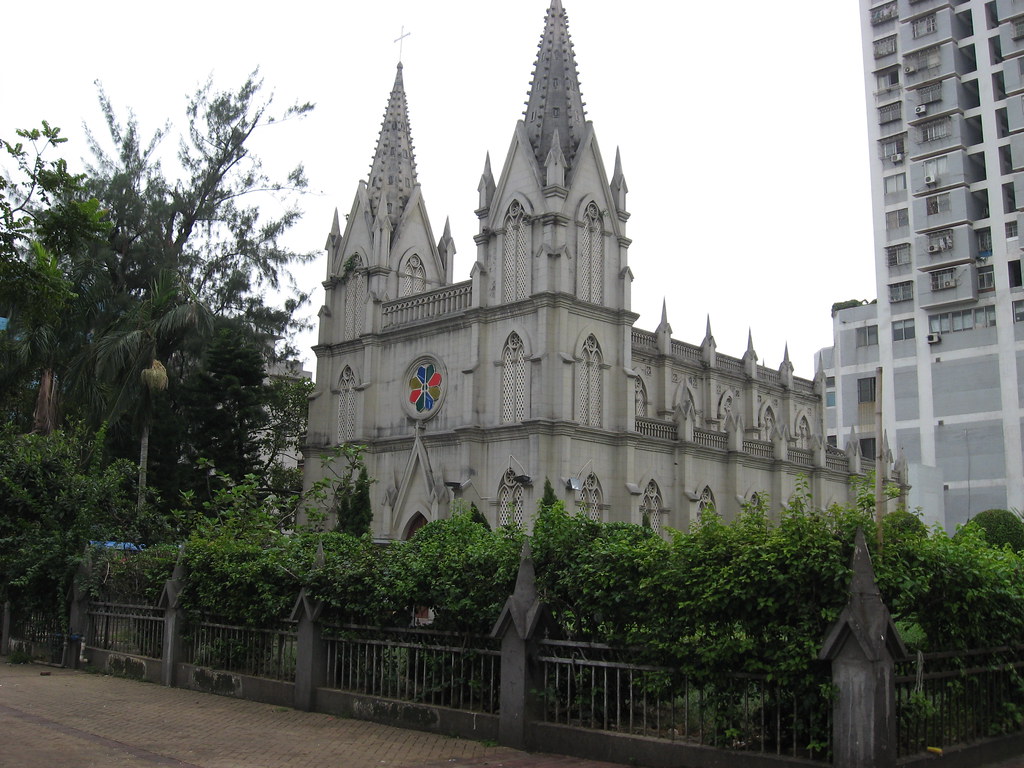
In southern China, historic churches in Maoming and Zhanjiang have recently reopened following comprehensive restoration projects. These churches, vital centers of faith for local Christian communities, had suffered structural deterioration due to age, environmental factors, and years of limited maintenance.
Historical and Cultural Background
Many of the churches in Maoming and Zhanjiang were built in the early 20th century and reflect a mix of traditional Chinese architecture and Western ecclesiastical designs. They serve as spiritual centers and are deeply intertwined with local culture and community life, hosting religious festivals, educational programs, and social services.
Restoration and Preservation Efforts
The restoration projects, overseen by local authorities and church administrations, focused on:
-
Structural repairs including roofs, walls, and steeples to ensure safety.
-
Preservation of religious artifacts, altars, and stained glass windows, maintaining both historical authenticity and spiritual significance.
-
Community engagement, with parishioners participating in the upkeep and contributing to heritage awareness.
-
Integration of modern safety features, such as fire prevention systems and reinforced foundations, to protect the buildings for decades to come.
Social and Spiritual Impact
The reopening of these churches has revitalized community faith and cohesion. Congregants now have safe spaces to worship and continue traditions that date back generations. Local leaders emphasized that these projects represent not only architectural restoration but also the preservation of cultural identity and communal values.
Government and International Support
Both municipal authorities and church organizations collaborated closely to fund and execute the restorations. These efforts reflect a broader commitment to protecting religious heritage in China, ensuring that historical places of worship remain active and respected within their communities.
The successful reopening of churches in Maoming and Zhanjiang serves as a model for heritage preservation, showing how communities can balance modernization with cultural and religious continuity.