

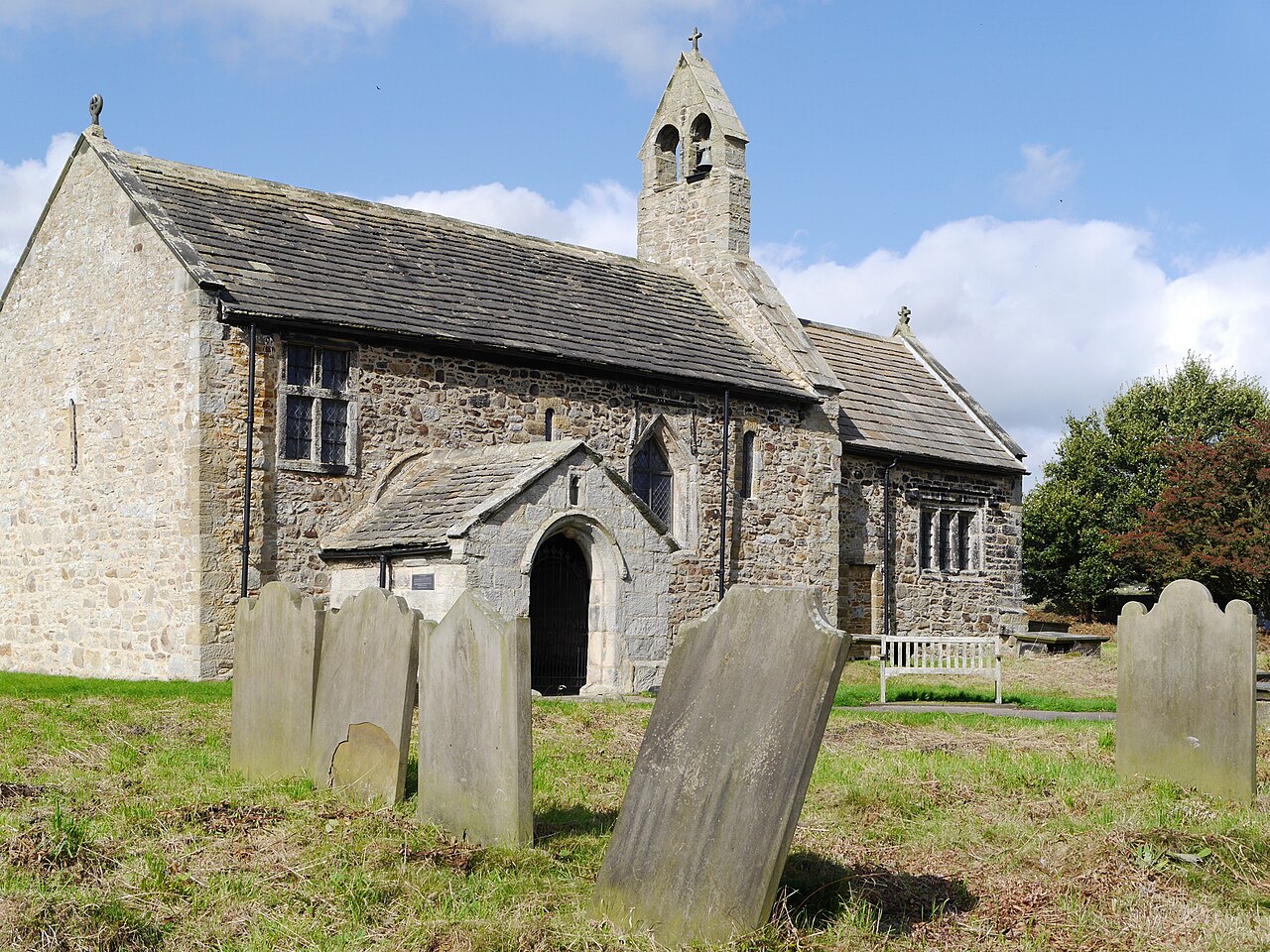
Thousands of churches across the United Kingdom are facing a financial crisis following recent changes to Value Added Tax (VAT) rules on repair and restoration works. The new regulations have significantly increased costs for maintaining historic religious buildings, putting pressure on congregations and charitable trusts.
Impact on Historic Churches
Many of the affected churches are centuries old, with Grade I and II listed statuses, requiring specialized repairs for roofs, stained glass, stonework, and other heritage features. The additional VAT costs threaten the feasibility of critical preservation projects, potentially leaving some churches at risk of structural decay.
Financial and Community Challenges
Churches rely heavily on donations, grants, and volunteer support to fund maintenance. The VAT increase has created a funding gap, forcing some congregations to delay repairs or reduce community services. Charitable organizations warn that the financial burden could result in closures of small rural churches, which serve as vital centers for local communities.
Advocacy and Solutions
Religious organizations and heritage charities are lobbying the government to reconsider the VAT changes or provide relief schemes. Experts emphasize that preserving churches is not just about maintaining religious sites but also about protecting architectural heritage, community cohesion, and cultural history.
Broader Implications
The crisis highlights the tension between heritage preservation and financial sustainability. The UK is home to thousands of historic churches, each representing centuries of faith, art, and community life. Ensuring their survival requires a combination of government support, charitable funding, and innovative preservation strategies.