
Monastery of St. Anthony stands as one of the most sacred and historically significant Christian sites in the world. Located in Egypt’s Eastern Desert near the shores of the Red Sea, this ancient monastery is recognized as the oldest continuously functioning Christian monastery on earth. It holds unmatched spiritual importance as the place where monastic life took its earliest structured form, shaping Christian spirituality across continents for nearly seventeen centuries.
The monastery is dedicated to St. Anthony the Great, widely regarded as the father of Christian monasticism. Born in the 3rd century AD, St. Anthony withdrew into the desert to live a life of prayer, asceticism, and complete devotion to God. His example inspired generations of monks throughout Egypt, the Middle East, and eventually Europe. The monastic tradition he established remains central to Christian spirituality today.
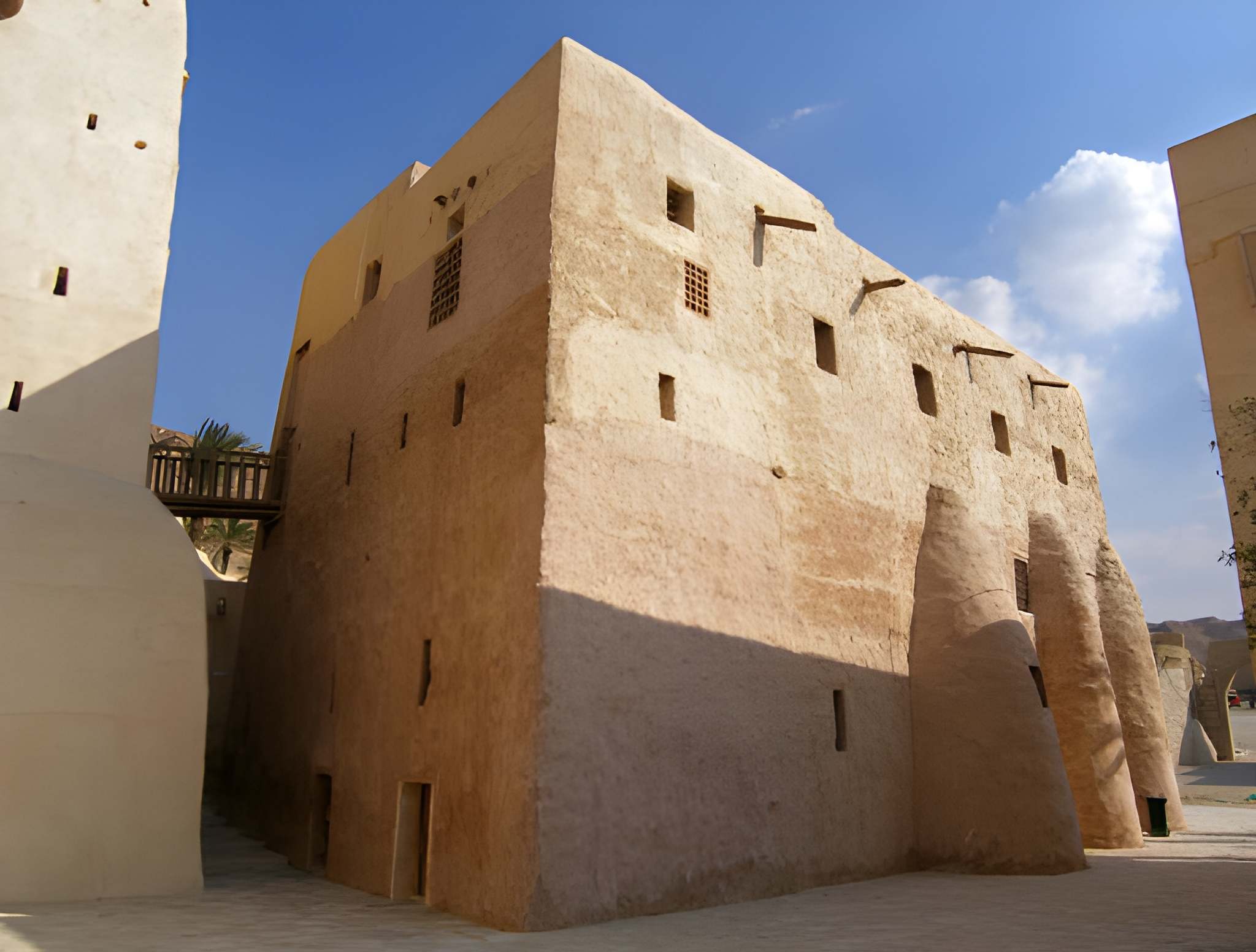
Built near the cave where St. Anthony spent the final years of his life, the monastery gradually developed around his place of solitude. After his death in 356 AD, disciples gathered at the site, forming a spiritual community that evolved into a structured monastic center. Over time, churches, living quarters, towers, libraries, and defensive walls were added, transforming the remote desert retreat into a thriving spiritual stronghold.
The desert environment plays a crucial role in the spiritual identity of the Monastery of St. Anthony. The surrounding mountains, silence, and vast open wilderness reflect the biblical tradition of retreat into the desert for purification, prayer, and divine encounter. For centuries, monks have chosen this harsh yet sacred environment as the setting for lives of humility and spiritual discipline. Pilgrims who visit today often describe a deep sense of peace and separation from worldly distractions, making the monastery a powerful destination for prayer and reflection.
Inside the monastery, visitors encounter a remarkable blend of ancient architecture, sacred art, and living monastic tradition. The complex includes multiple churches, the most important of which is the Church of St. Anthony, where the saint’s relics are preserved. The walls are decorated with ancient frescoes depicting Christ, angels, prophets, and early saints. These artworks, many dating back to the medieval period, offer rare insight into early Christian artistic and theological expression.
The monastery also contains one of the most valuable Christian manuscript libraries in the region. For centuries, monks preserved handwritten biblical texts, liturgical books, and theological writings. These manuscripts played a vital role in safeguarding Christian knowledge through periods of political change, conflict, and isolation. Today, this archival heritage remains a source of pride for the Christian world and a testament to the monastery’s role as a center of learning and faith.
Throughout history, the Monastery of St. Anthony has faced numerous challenges, including raids, natural deterioration, and isolation due to its desert location. Defensive towers were built during earlier centuries to protect monks from attacks. Despite these hardships, the monastery never lost its spiritual mission. Successive generations of monks continued their daily rhythm of prayer, fasting, and worship, ensuring the continuity of monastic life up to the present day.
Modern restoration projects have helped preserve the monastery’s ancient structures while respecting its sacred character. Restoration has revealed previously hidden wall paintings, strengthened aging buildings, and improved visitor access without disturbing the quiet life of the monks. These efforts ensure that future generations of pilgrims can continue to experience the spiritual depth and historical richness of this sacred place.
Today, the Monastery of St. Anthony stands as a major destination for Christian pilgrimage in Egypt. Visitors travel from around the world to walk in the footsteps of the early desert fathers and to witness the birthplace of organized Christian monasticism. Many pilgrims combine their visit with time of silent prayer, spiritual guidance, and personal retreat, following the example of St. Anthony’s life of devotion.
The monastery’s influence extends far beyond Egypt. The principles of monastic life developed here shaped Christian communities across the Byzantine Empire and later Western Europe. The values of obedience, solitude, communal worship, and spiritual discipline that originated in this desert monastery continue to guide monastic traditions in churches around the world today.
In conclusion, the Monastery of St. Anthony stands as a living monument to Christian faith, sacrifice, and spiritual endurance. As the oldest functioning Christian monastery on earth, it connects modern believers with the very roots of monastic life. Its sacred desert setting, deep historical legacy, and continuous spiritual practice make it one of the most powerful pilgrimage destinations for Christians seeking renewal, reflection, and a deeper encounter with God.